Sound keys
A sound key is a person or a place that stands for a sound. Every Chinese syllable is a person in a room: the person key is the start of the sound, the place key the end, and the room in that place is the tone.
Example: 丿 = pi woman + e3 living room Pocahontas in the elevator's living room. How it works
Person keys
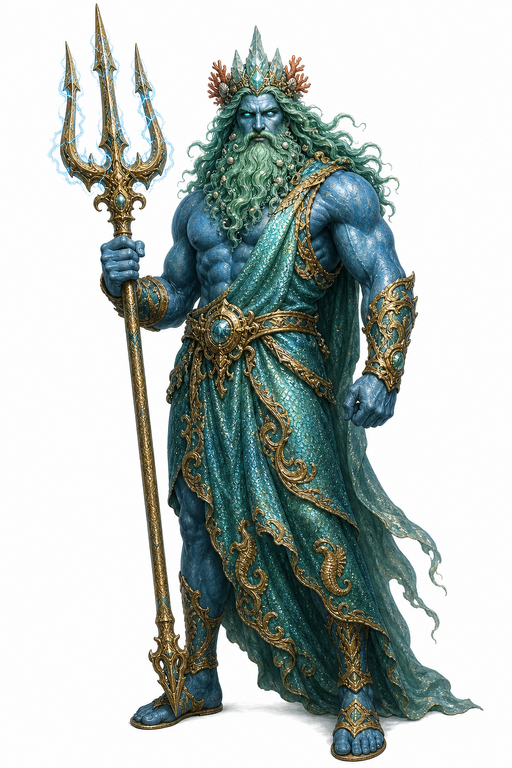
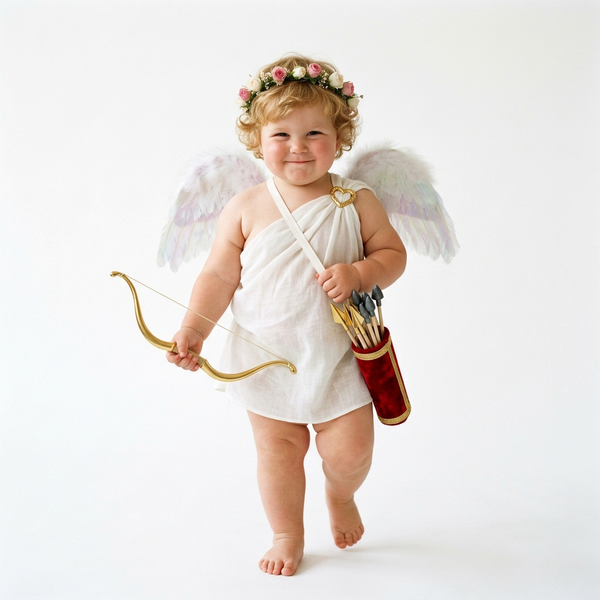
55 people, in four groups. Men stand for a first sound on its own: Hamlet is the h of hǎo. Women stand for one with i after it: Pocahontas is the pi of piě. Animals stand for one with u: Bruno Bear is the bu of bù. Gods stand for one with ü: Zeus is the ju of jù. So the site splits a syllable its own way, not into a textbook's initial and final: dīng is Dorothy Gale (di) in front of the engine ((e)ng1), and zhǔ is Julian Giant Squid (zhu) in the space station's living room (Ø3), where nothing comes after the person.
Man
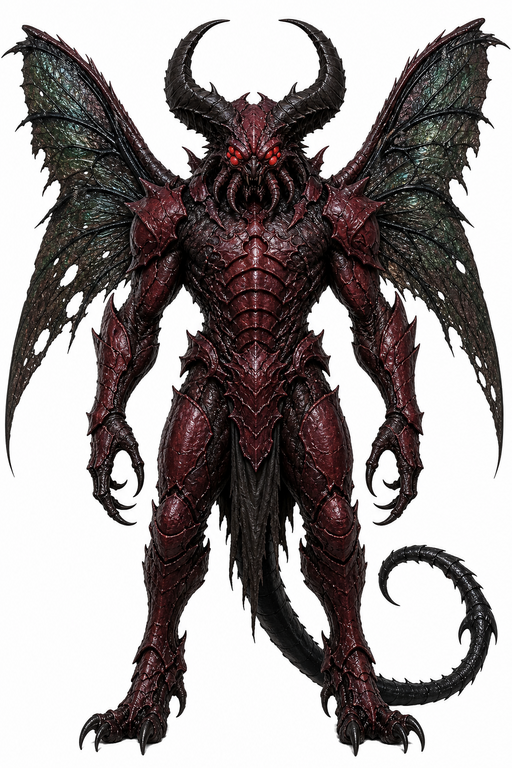 b
Beelzebub
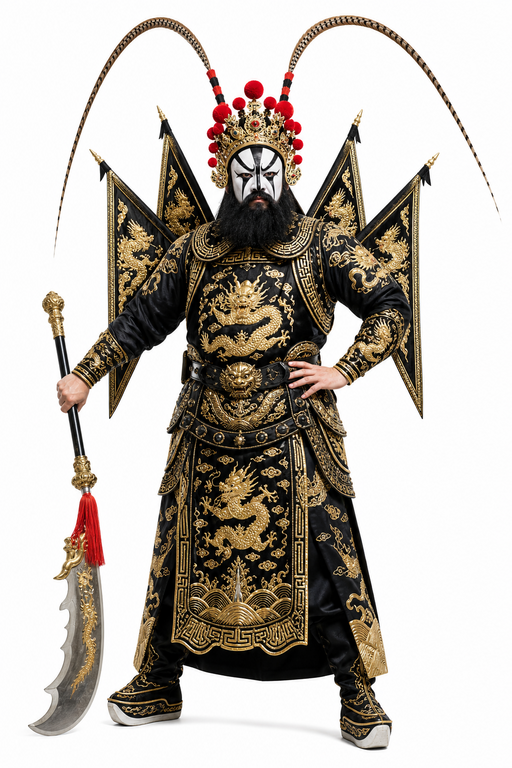 c
the King of Chu
 ch
Charlie Chaplin
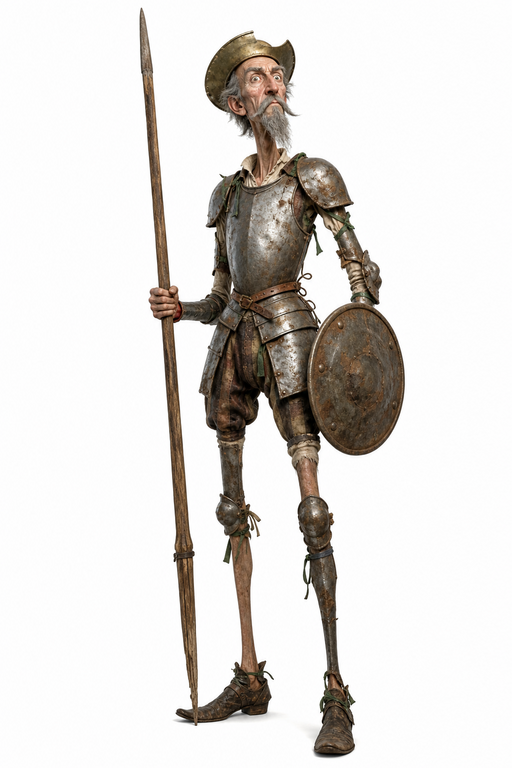 d
Don Quixote
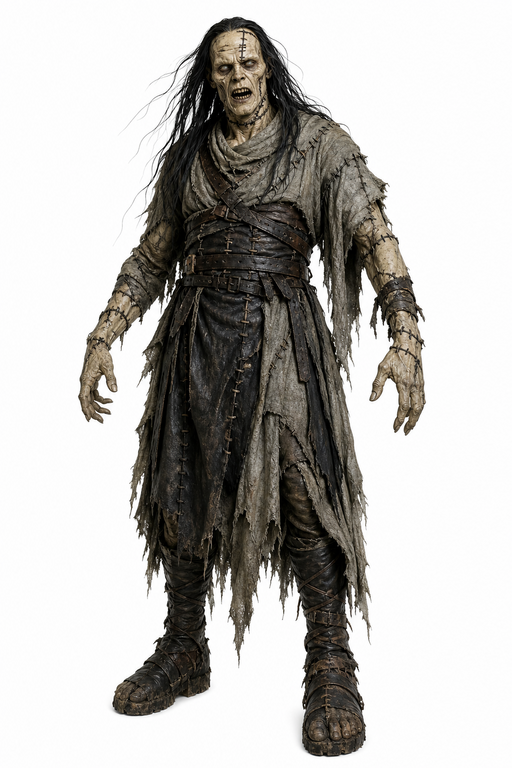 f
Frankenstein's Monster
 g
Guy Fawkes
 h
Hamlet
 k
Karl Marx
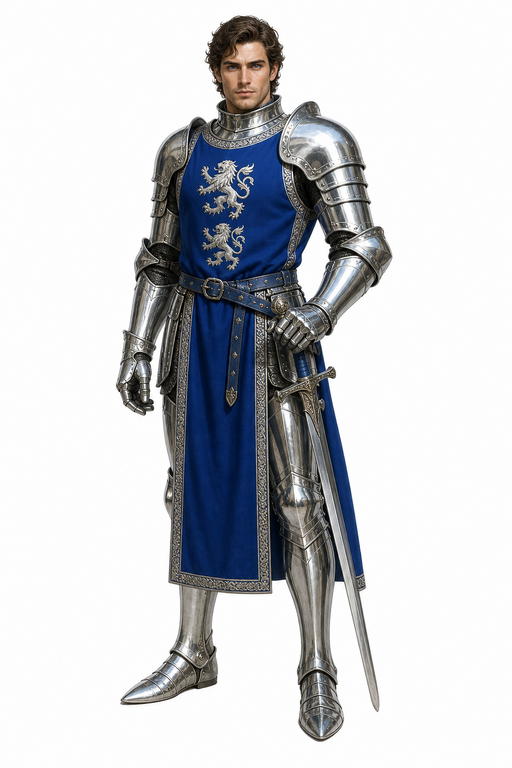 l
Sir Lancelot
 m
Mahatma Gandhi
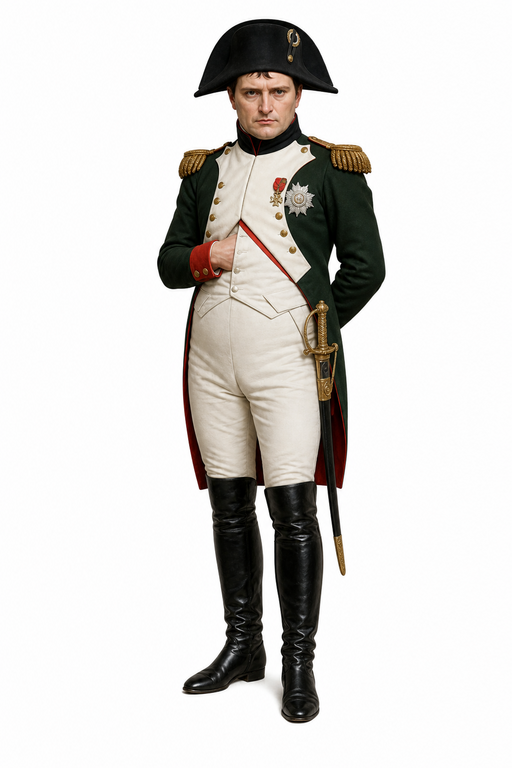 n
Napoleon
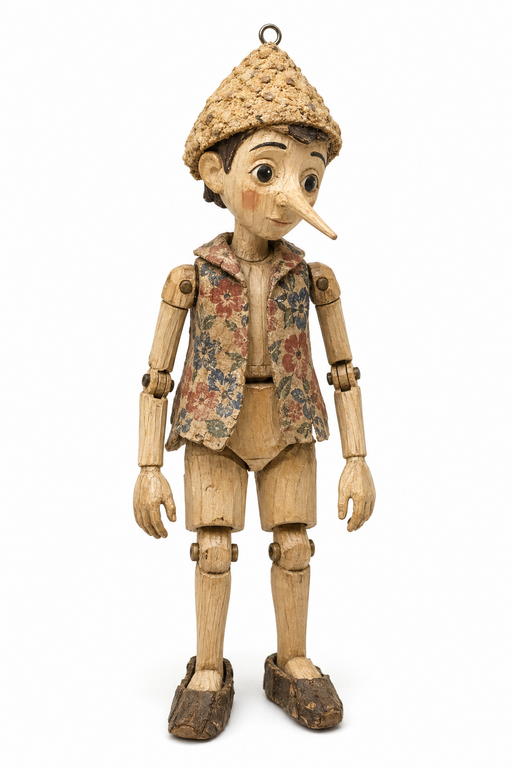 p
Pinocchio
 r
Robinson Crusoe
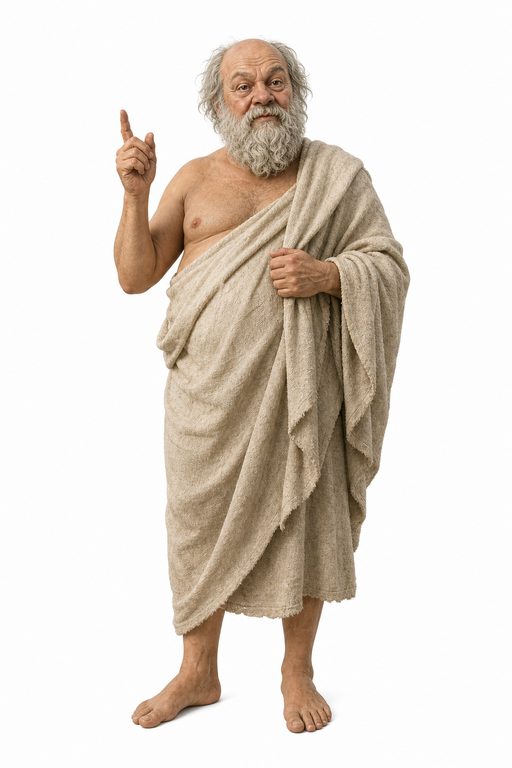 s
man
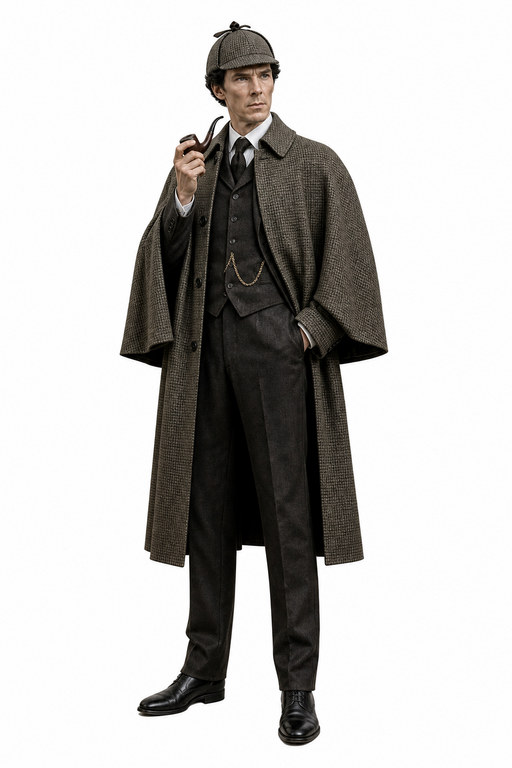 sh
Sherlock Holmes
 t
Tecumseh, leader of the Shawnee
 z
Zorro
 zh
James II of England
 Ø
Albert Einstein
Woman
 bi
Shield maiden and Valkyrie Brunhilde
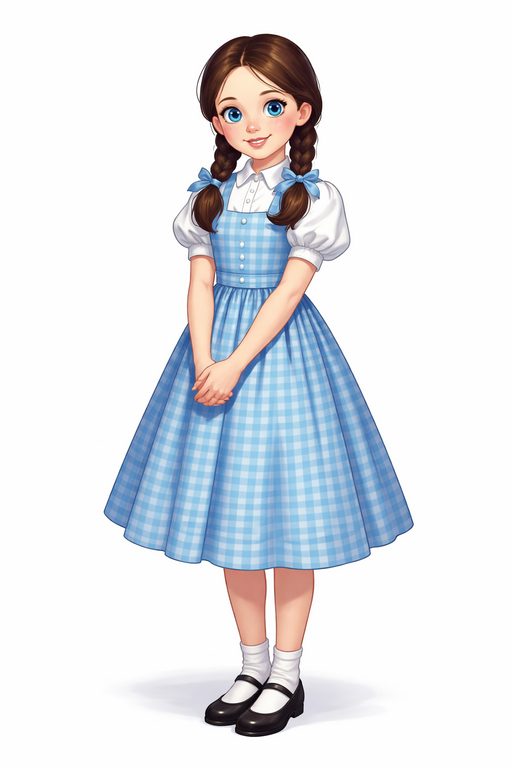 di
Dorothy Gale
 ji
Joan of Arc
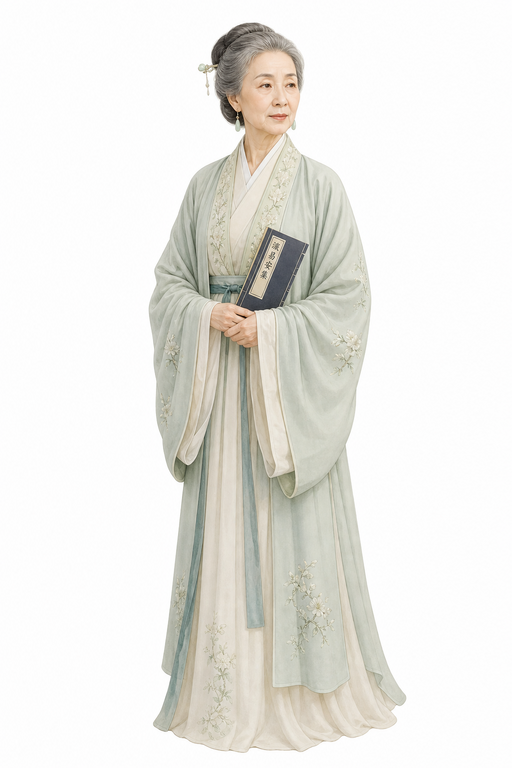 li
Li Qingzhao, writer and poet of the Song Dynasty
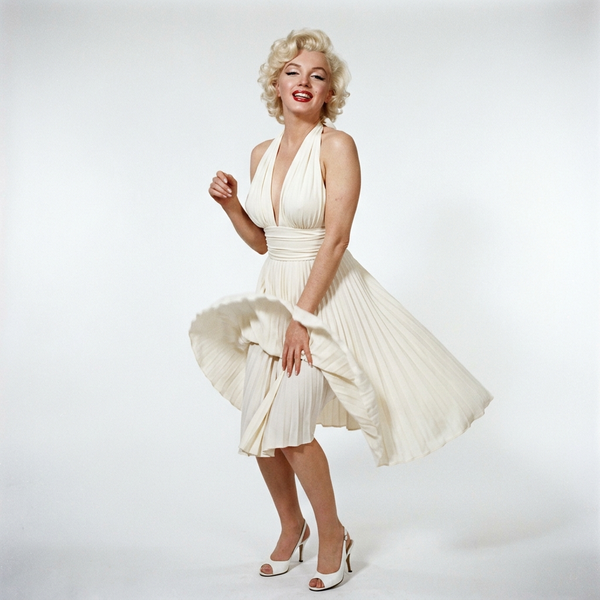 mi
Marilyn Monroe
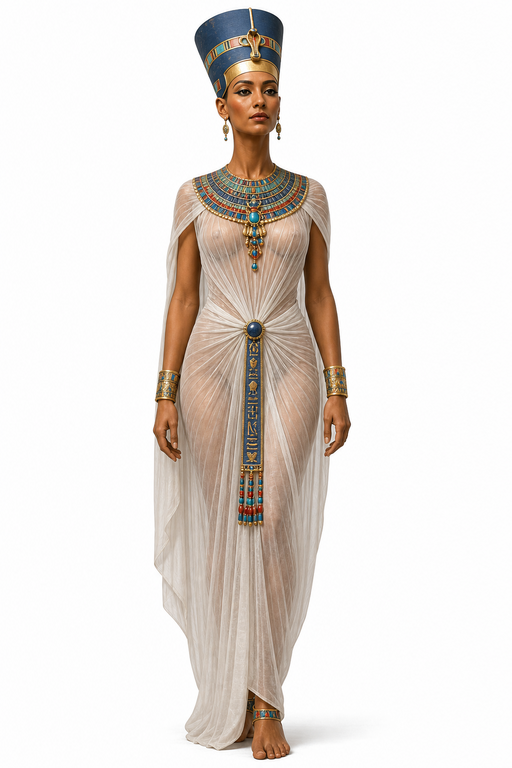 ni
Mistress of Upper and Lower Egypt Nefertiti
 pi
Pocahontas
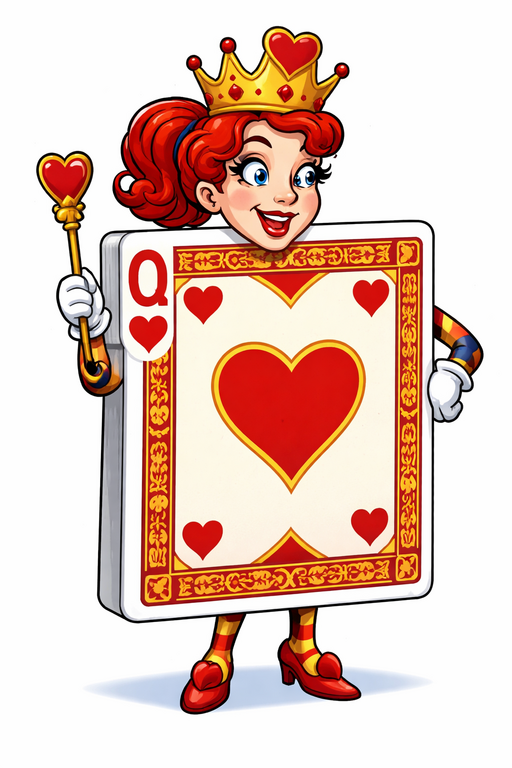 qi
the Queen of Hearts
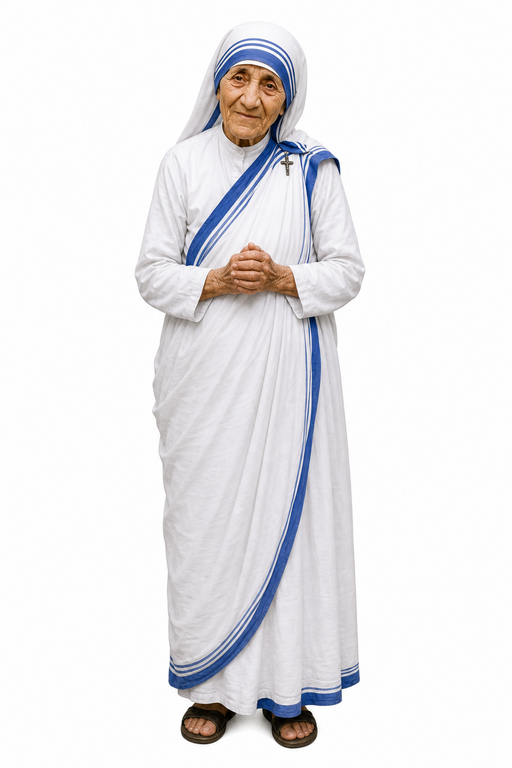 ti
Mother Teresa
 xi
Xi Shi, one of the renowned Four Beauties of ancient China
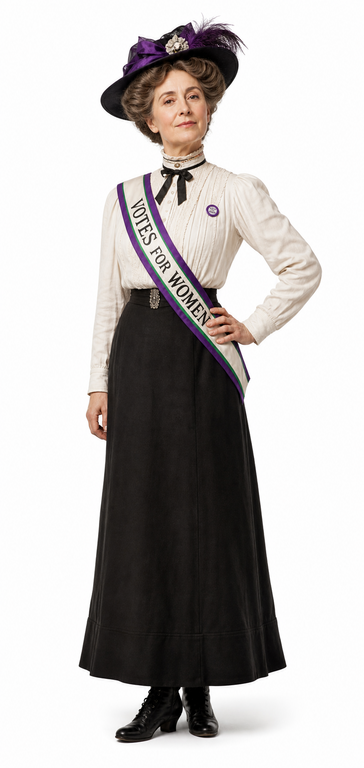 y
Maud Younger
Animal
 bu
Bruno Bear
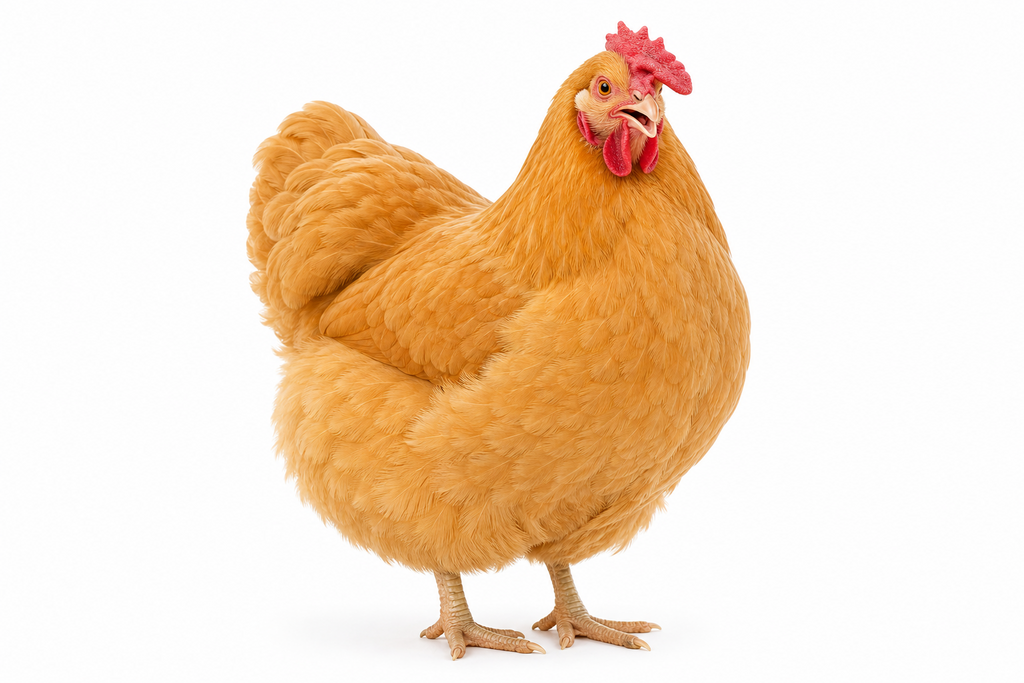 chu
Chantal Chicken
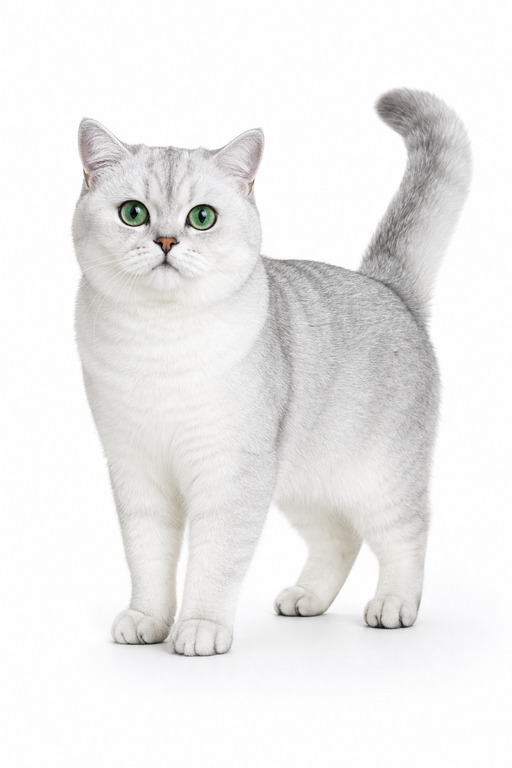 cu
Kitty Cat
 du
Doggy Dog
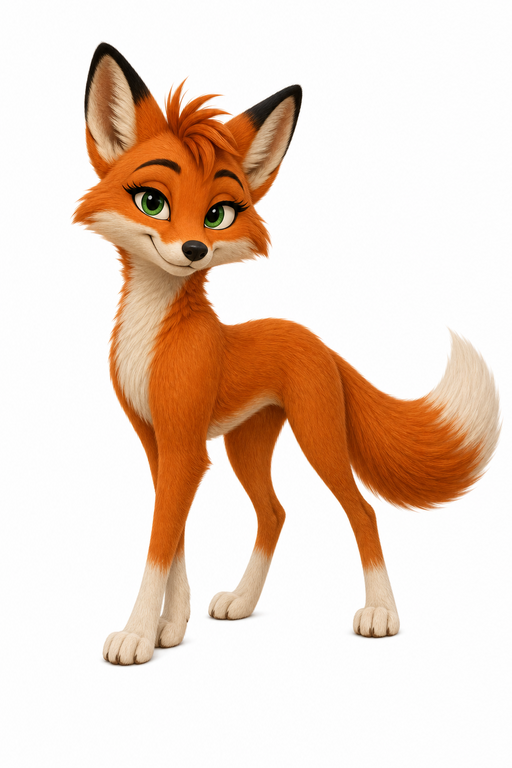 fu
Frieda Fox
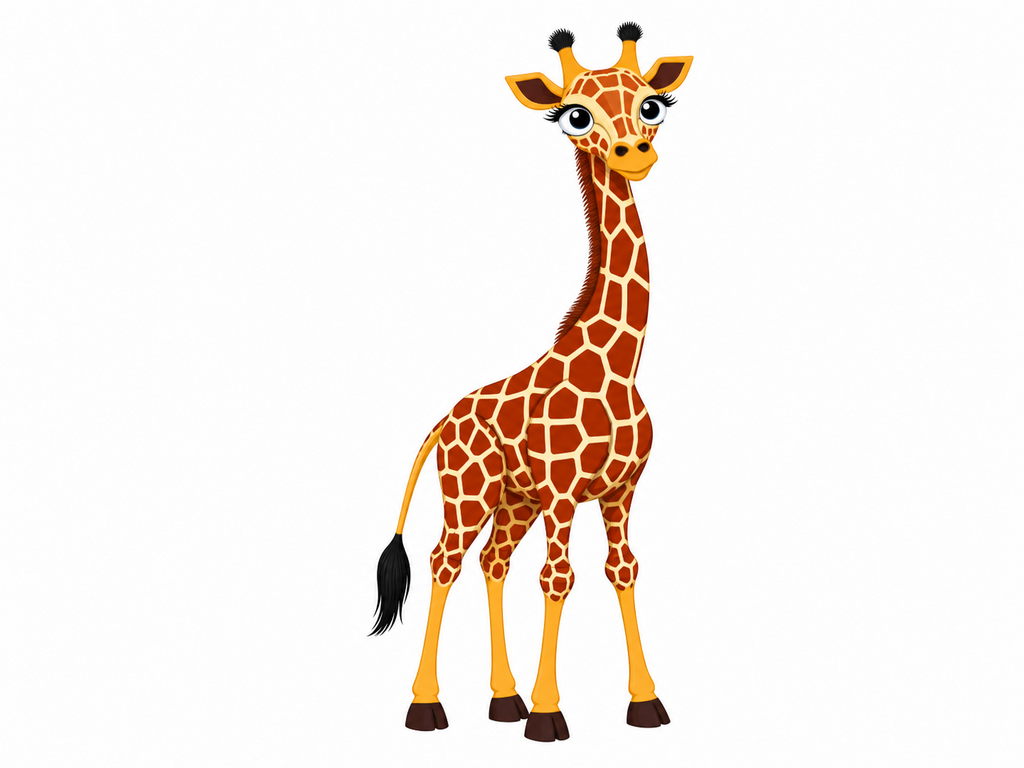 gu
Gitta Giraffe
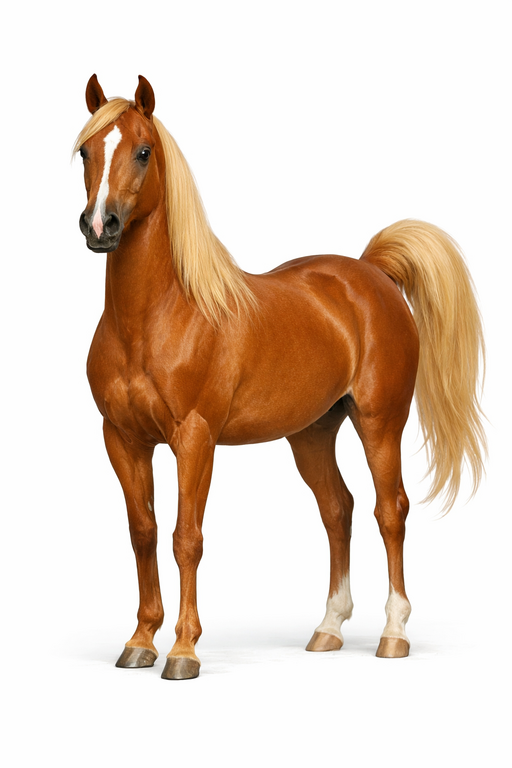 hu
Helga Horse
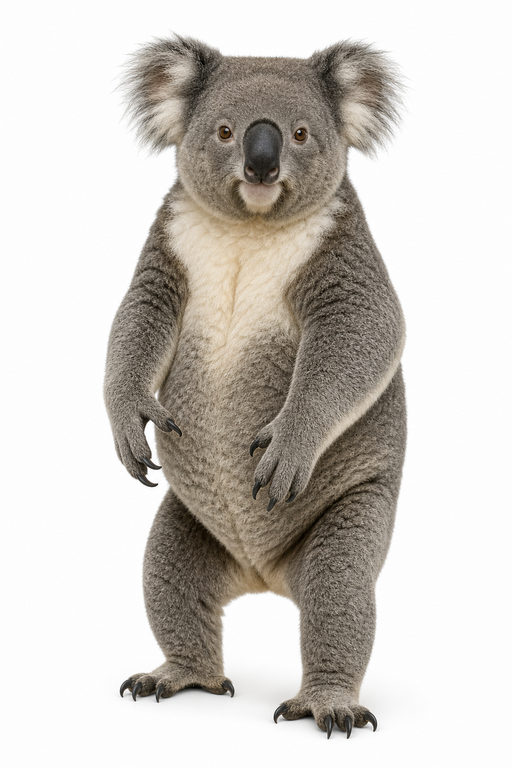 ku
Karl Koala
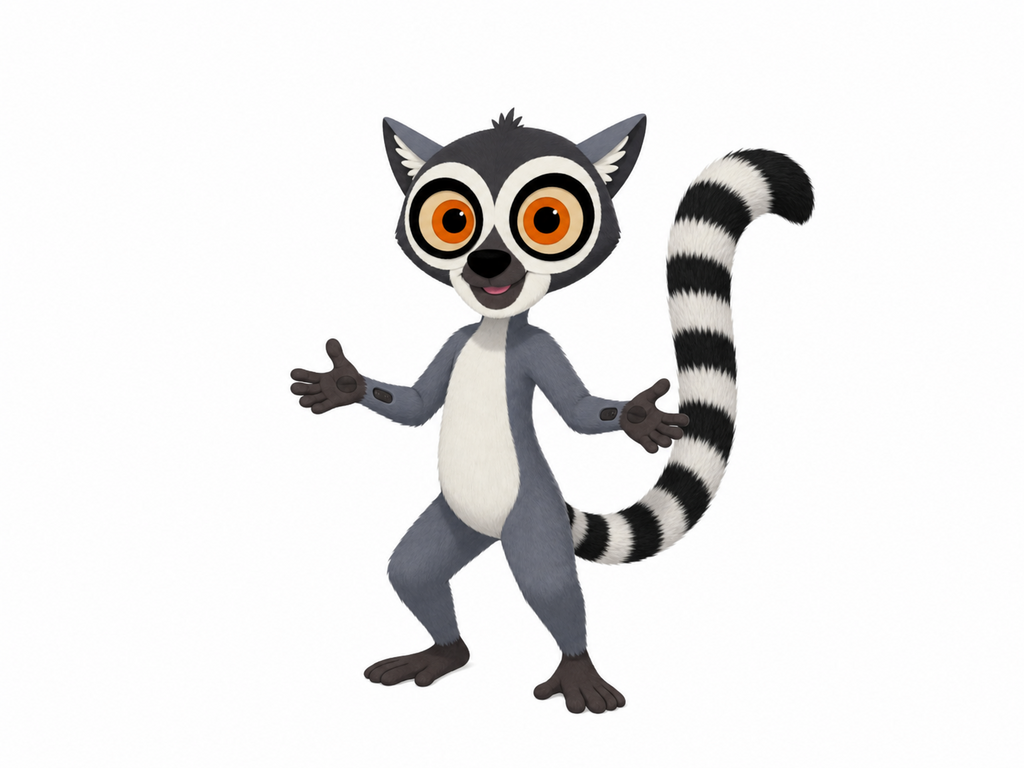 lu
Lenny Lemur
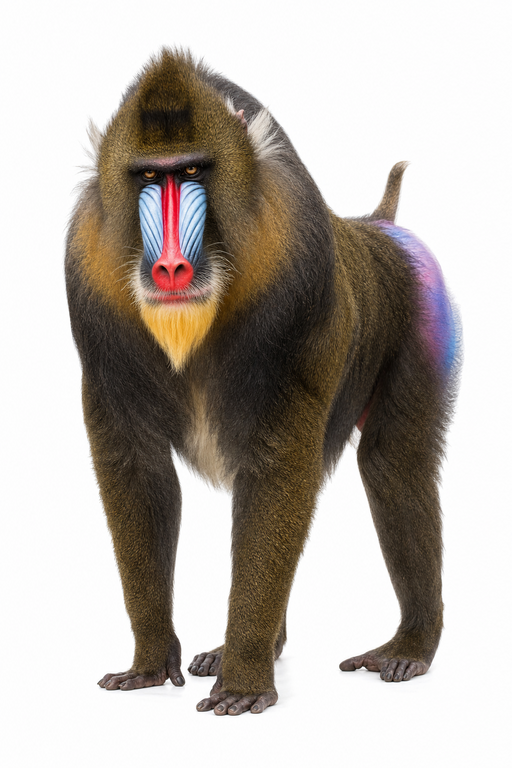 mu
Malte Monkey
 nu
Nelson Newt
 pu
Petra Penguin
 ru
Rachel Rhinoceros
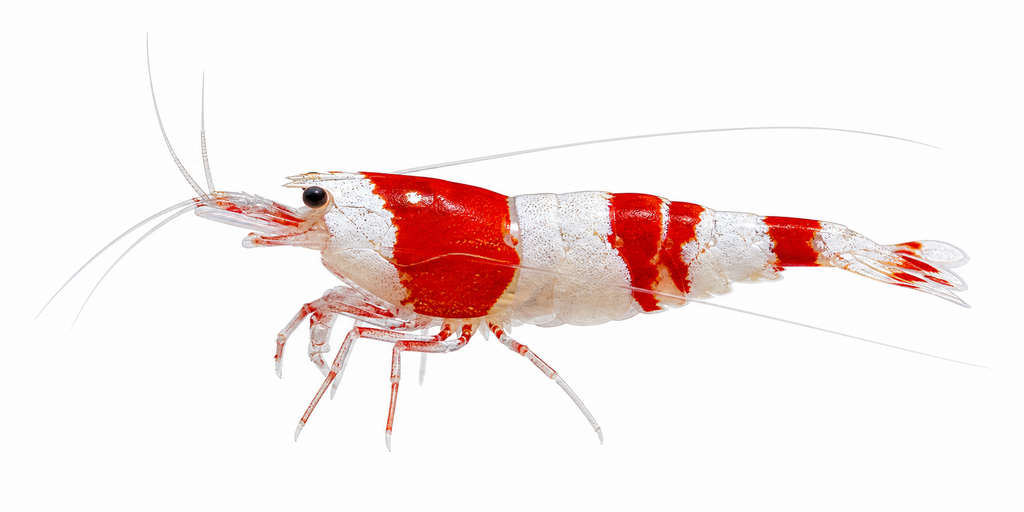 shu
Sheldon Shrimp
 su
Susan Spider
 tu
Tommy Turtle
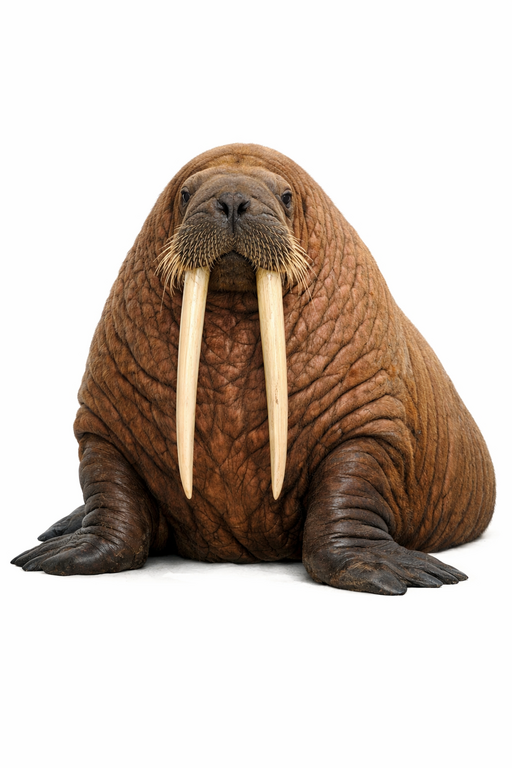 w
Willy Walrus
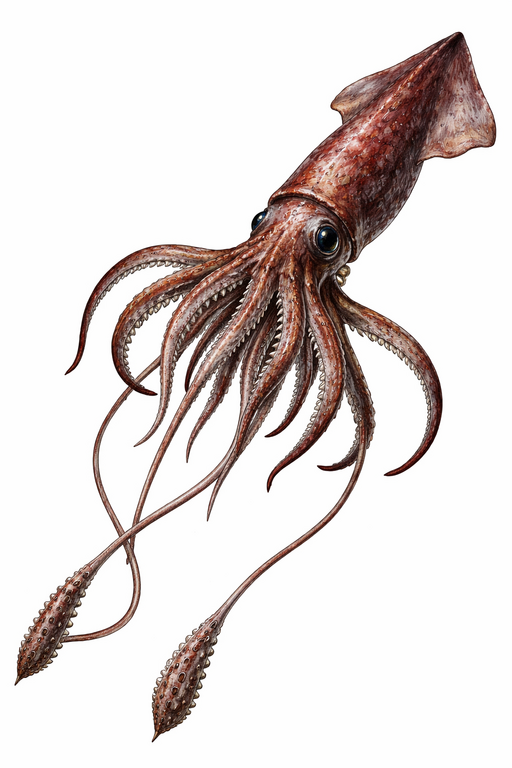 zhu
animal
 zu
Zapatista Zebra
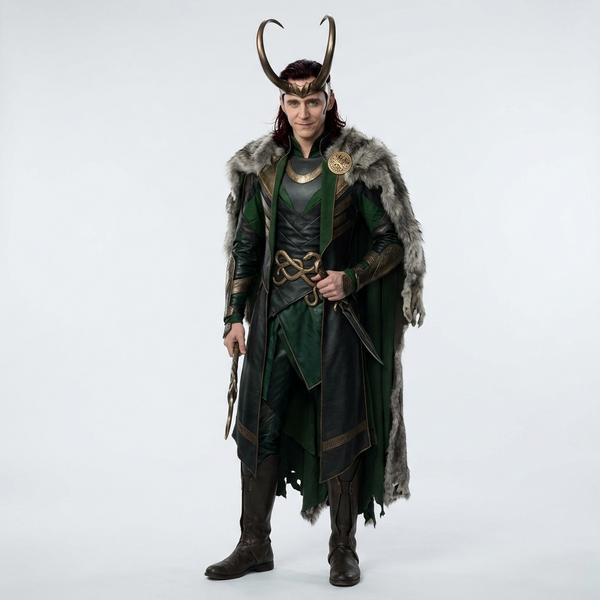
Deity



Place keys and rooms
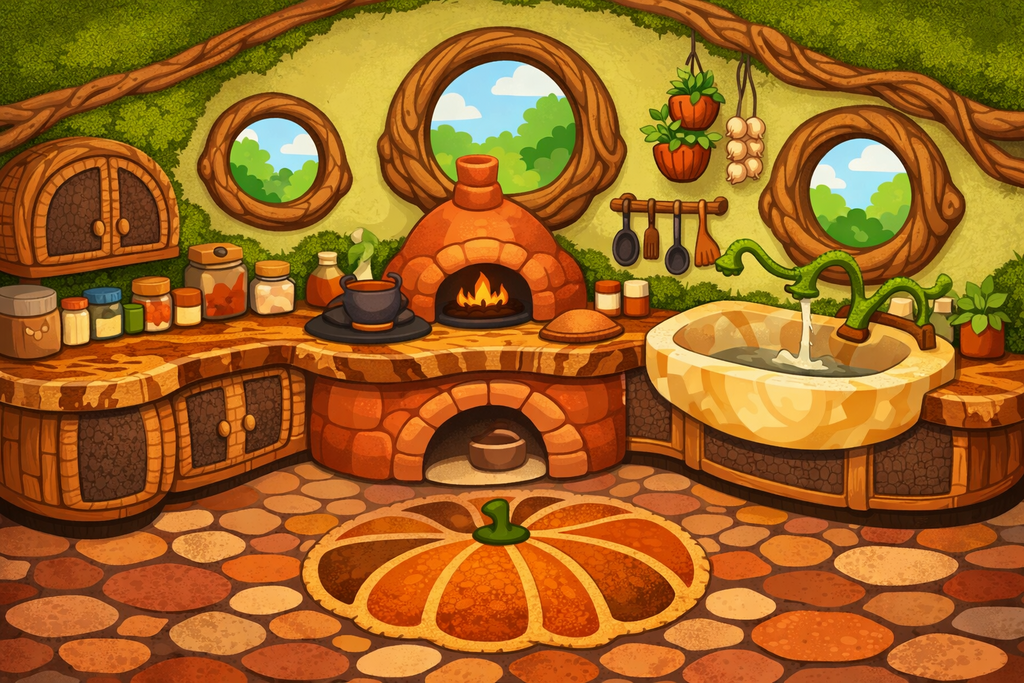
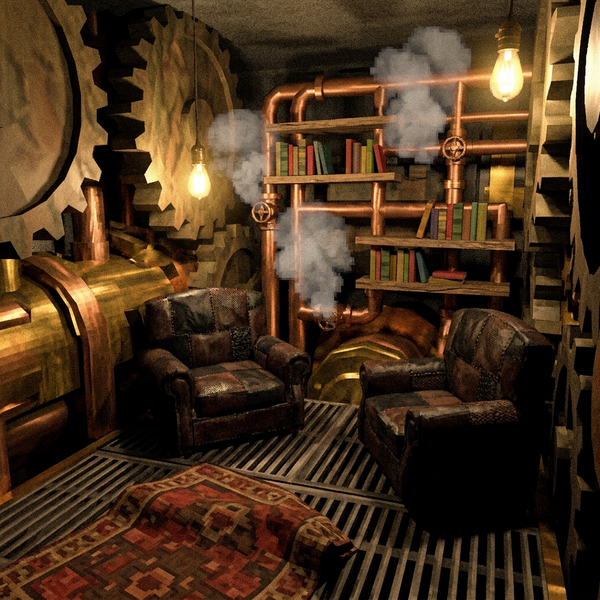
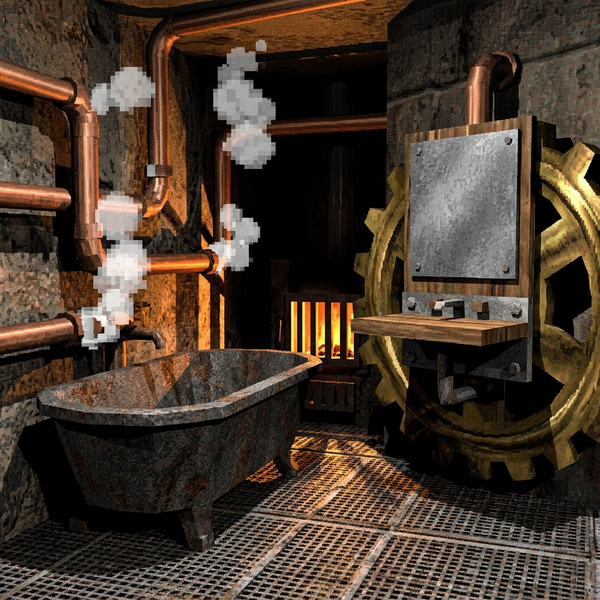
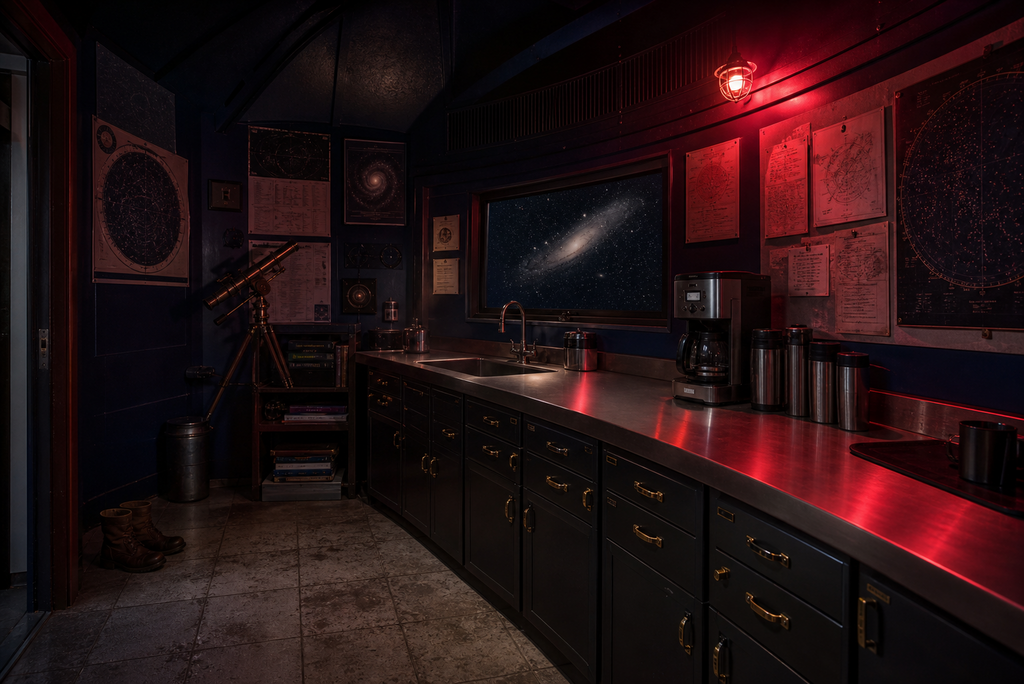
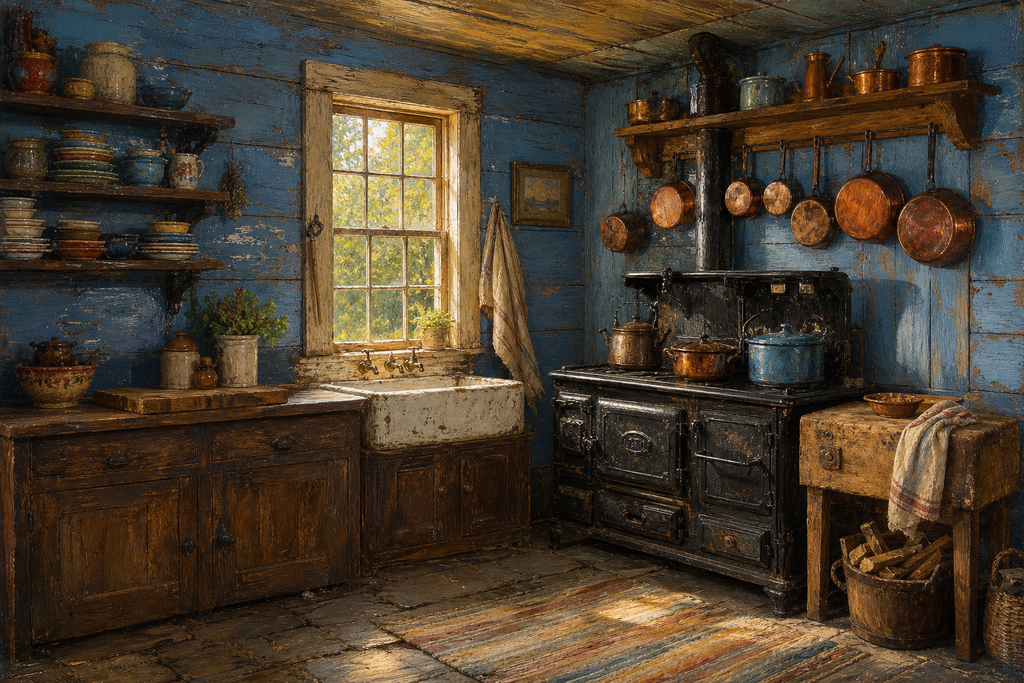
12 places with up to five rooms each. The room is the tone: in front (1), kitchen (2), living room (3), bathroom (4), roof (5, the neutral tone).
| Place | in front (1) | kitchen (2) | living room (3) | bathroom (4) | roof (5) |
|---|---|---|---|---|---|
| a |
 a1 |
 a2 |
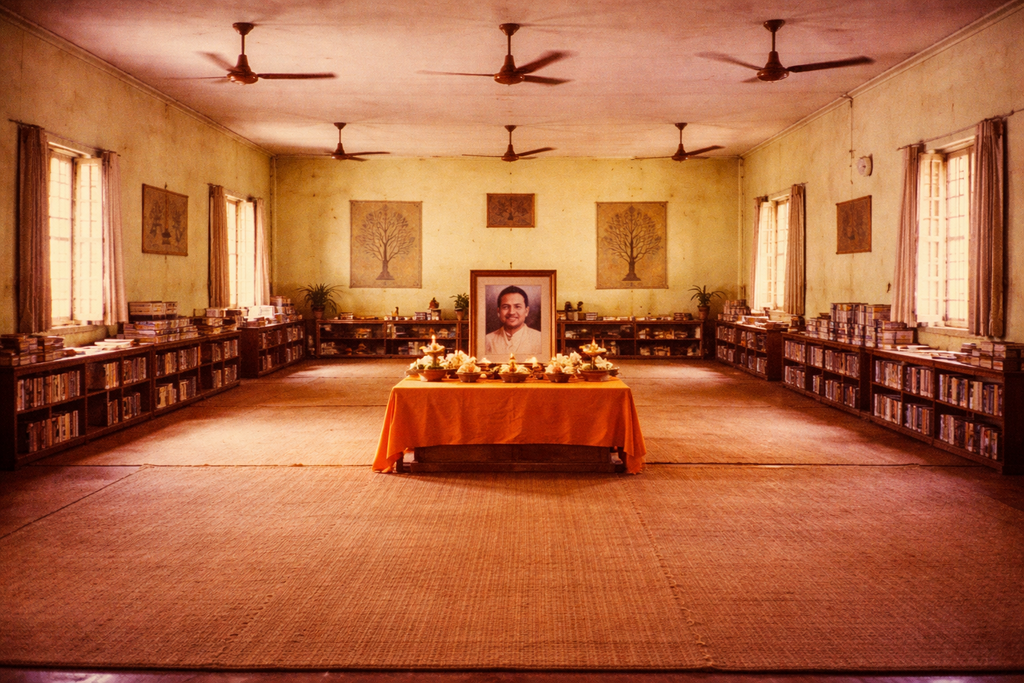 a3 |
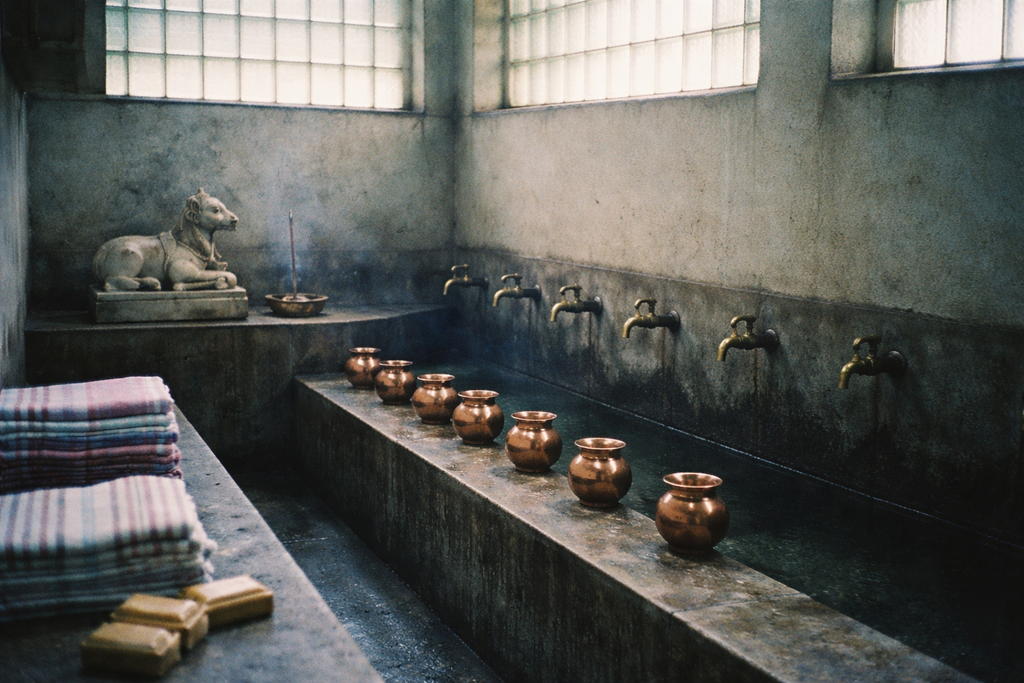 a4 |
 a5 |
| ai |
 ai1 |
 ai2 |
 ai3 |
 ai4 |
— |
| an |
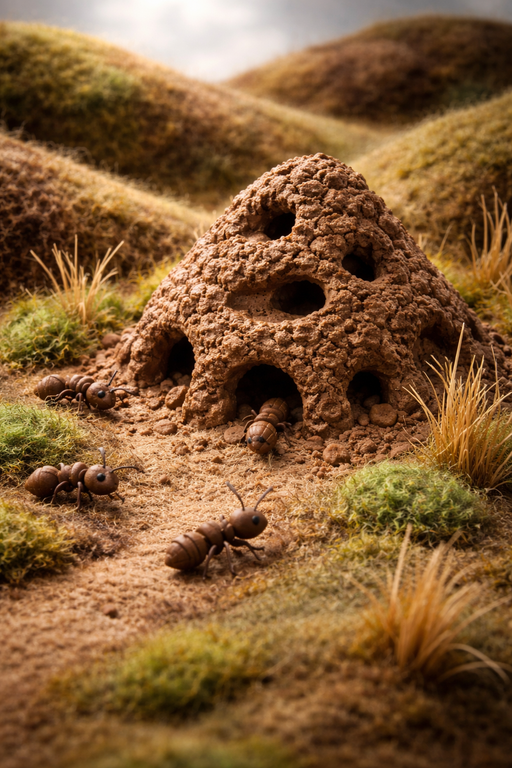 an1 |
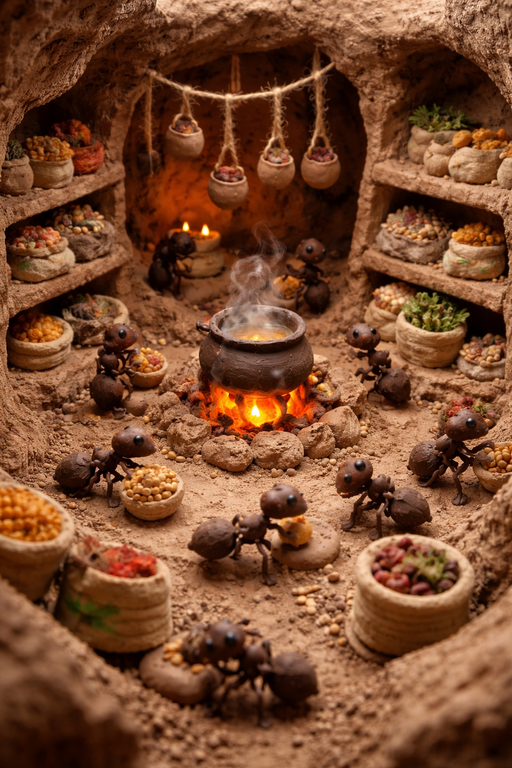 an2 |
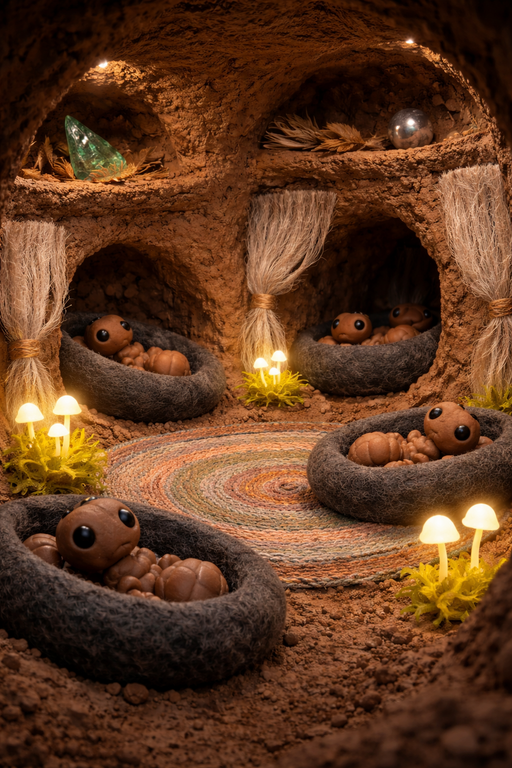 an3 |
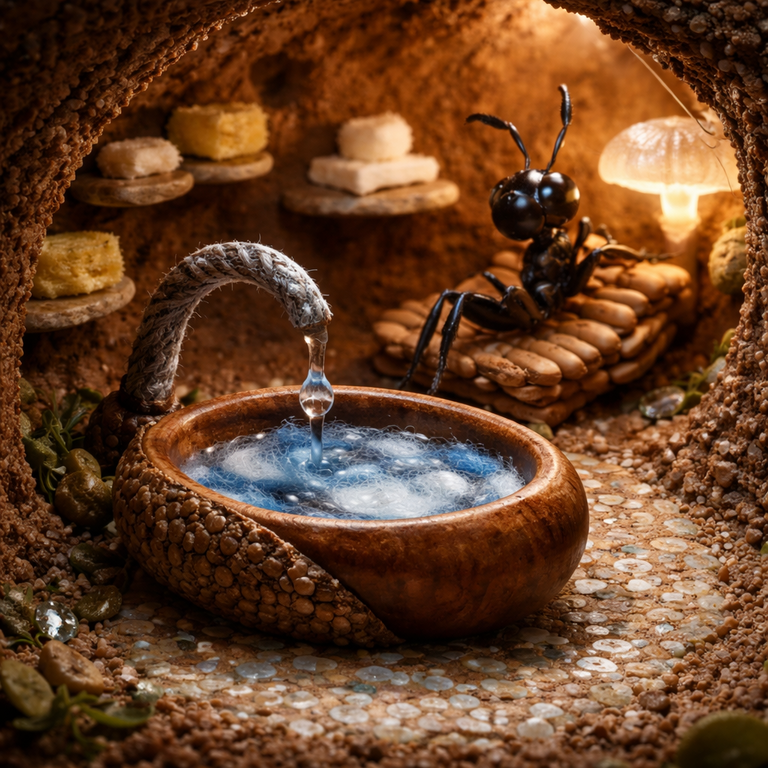 an4 |
 an5 |
| ang |
 ang1 |
 ang2 |
 ang3 |
 ang4 |
— |
| ao |
 ao1 |
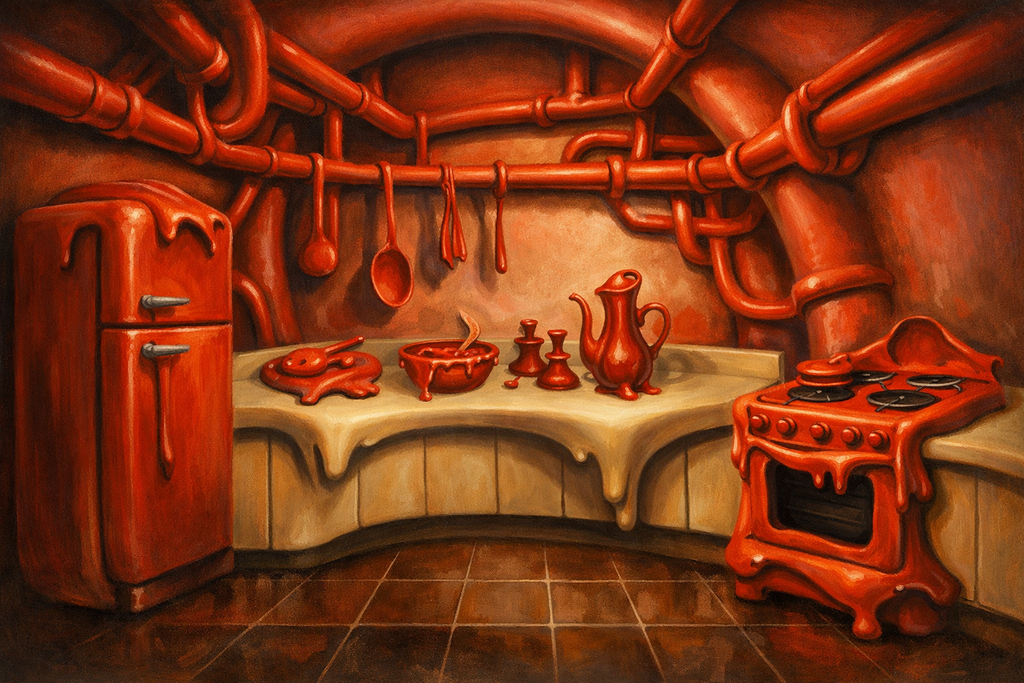 ao2 |
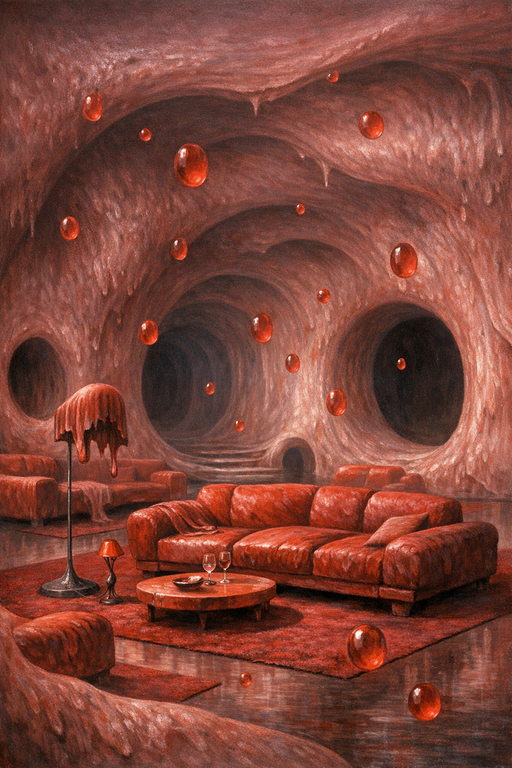 ao3 |
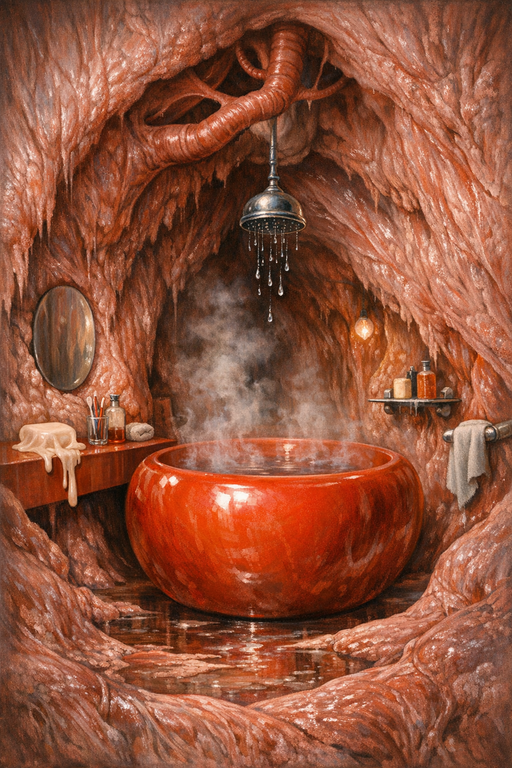 ao4 |
— |
| e |
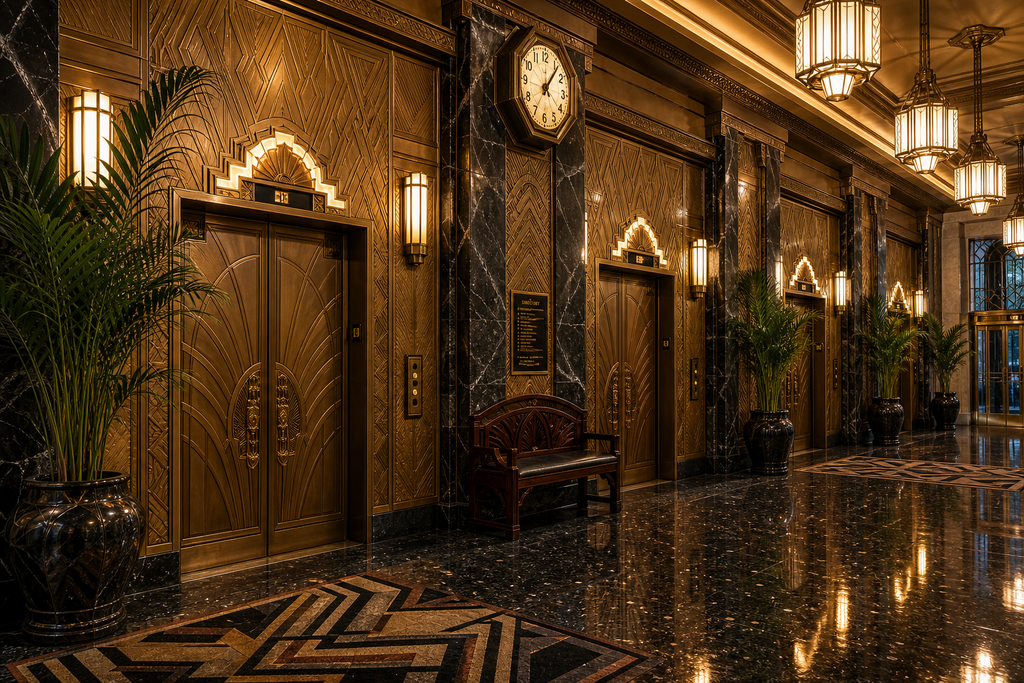 e1 |
 e2 |
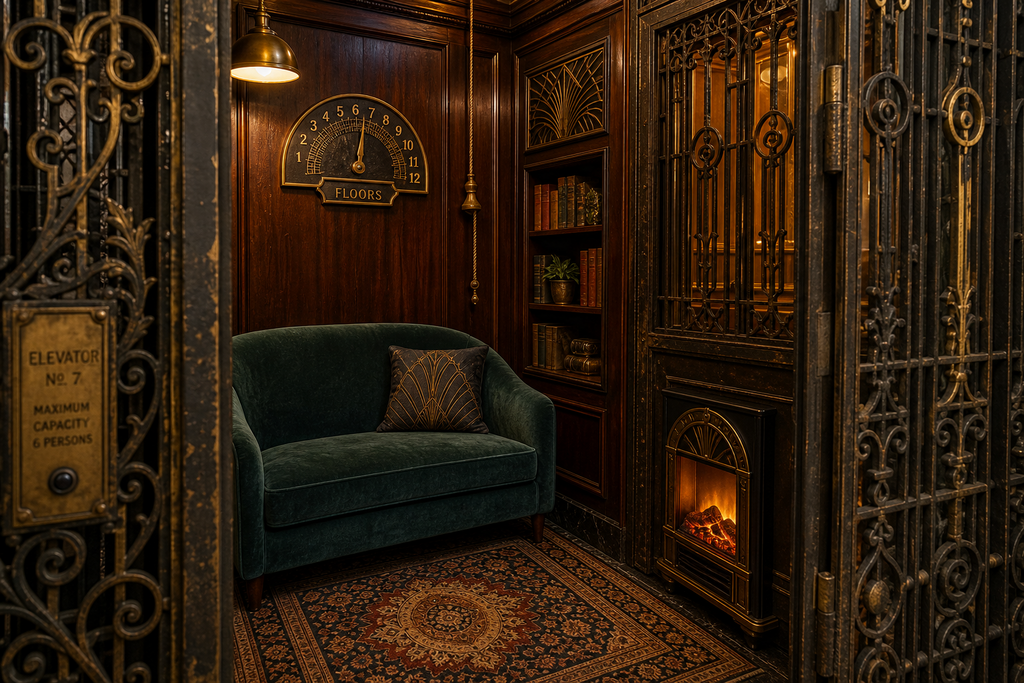 e3 |
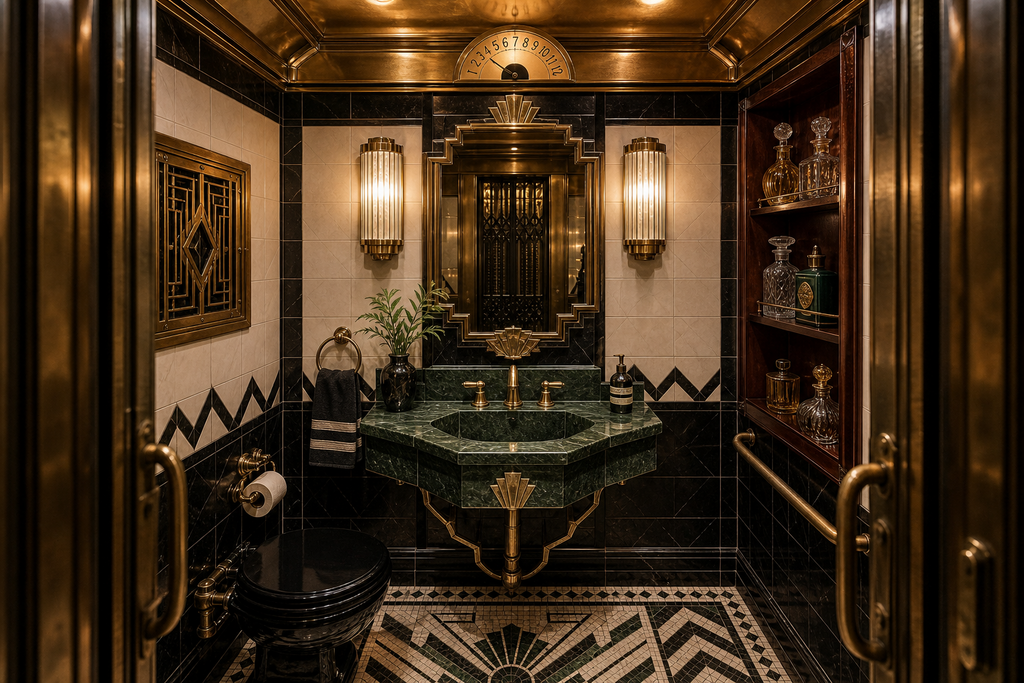 e4 |
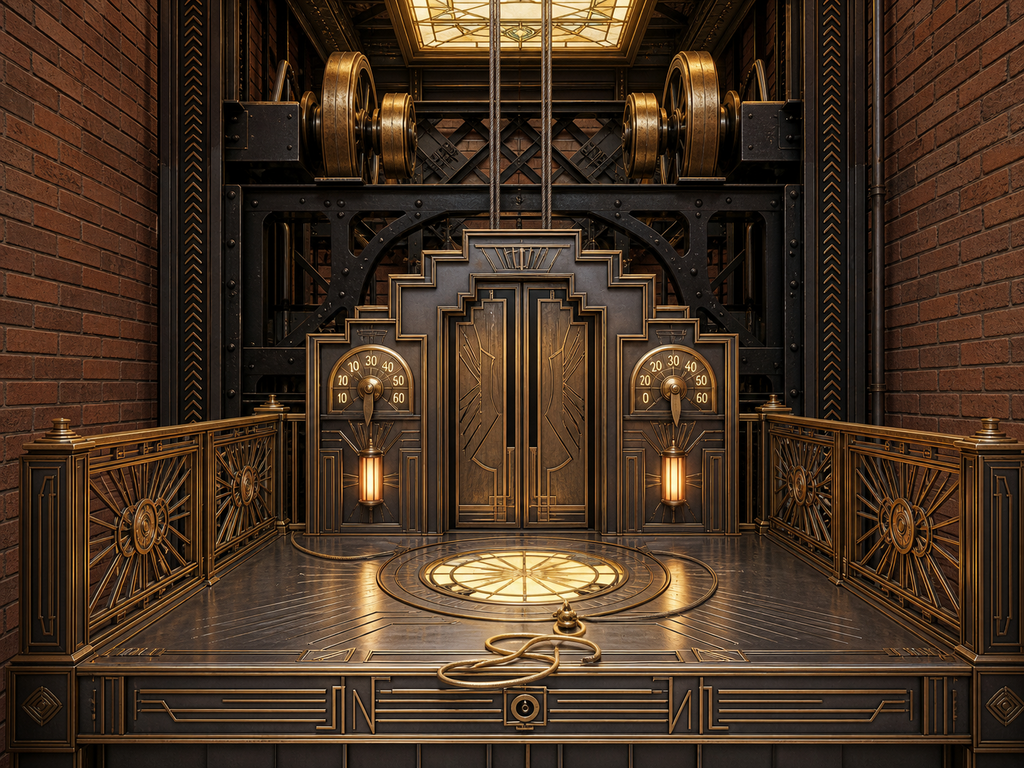 e5 |
| ei |
 ei1 |
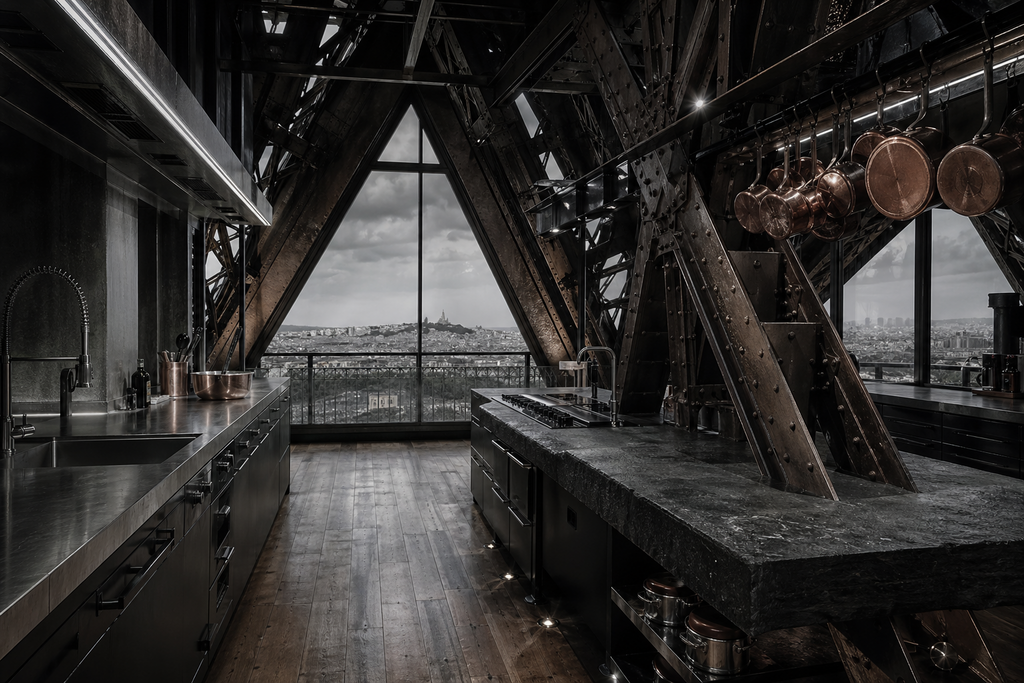 ei2 |
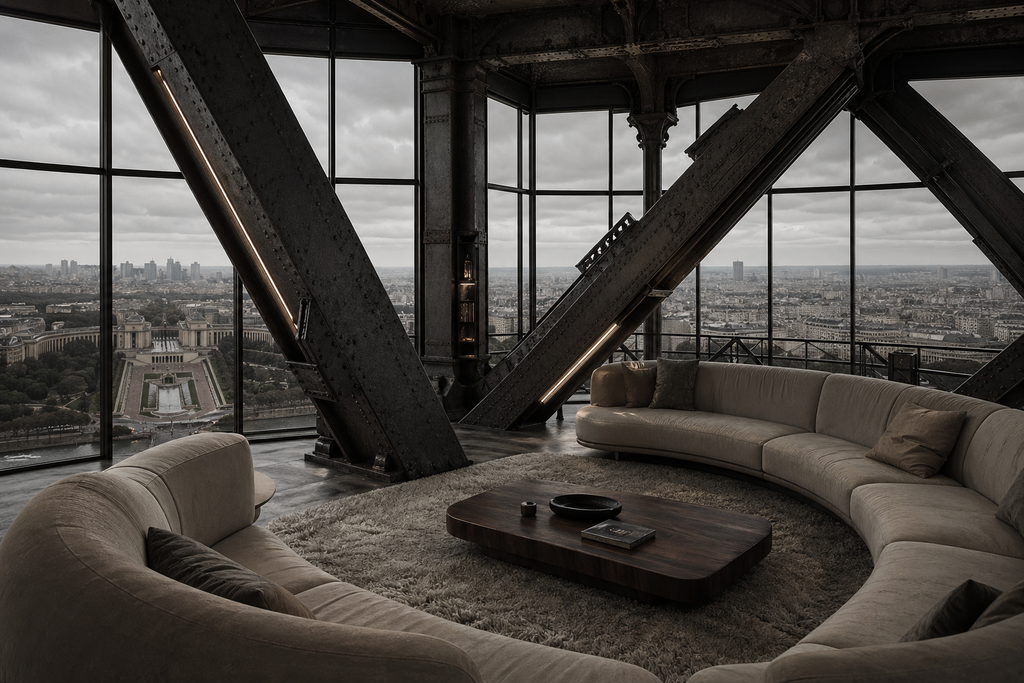 ei3 |
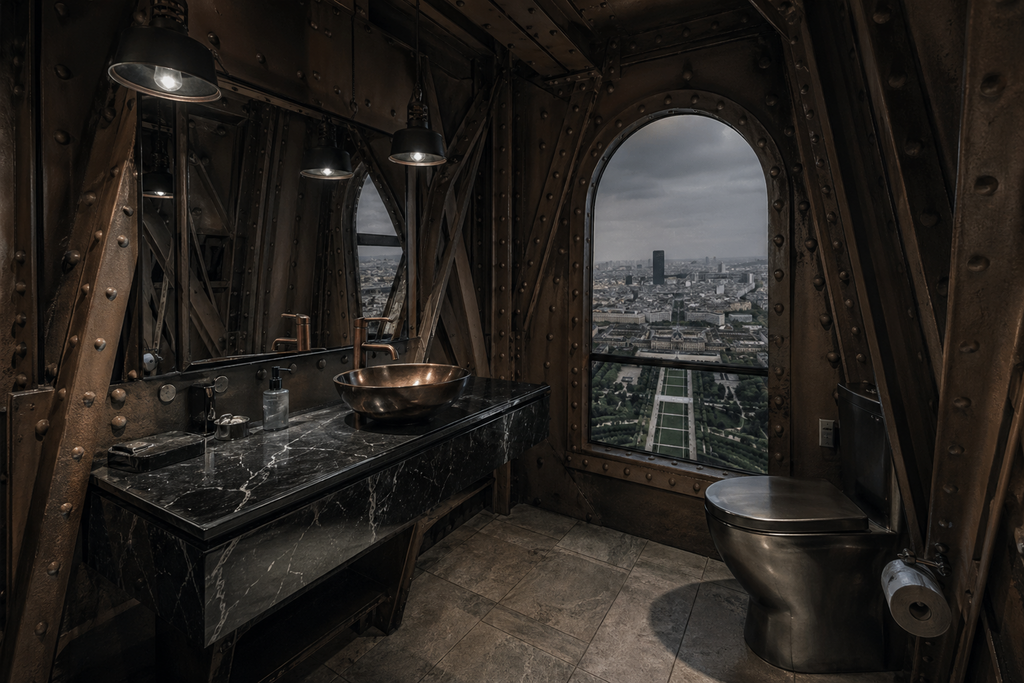 ei4 |
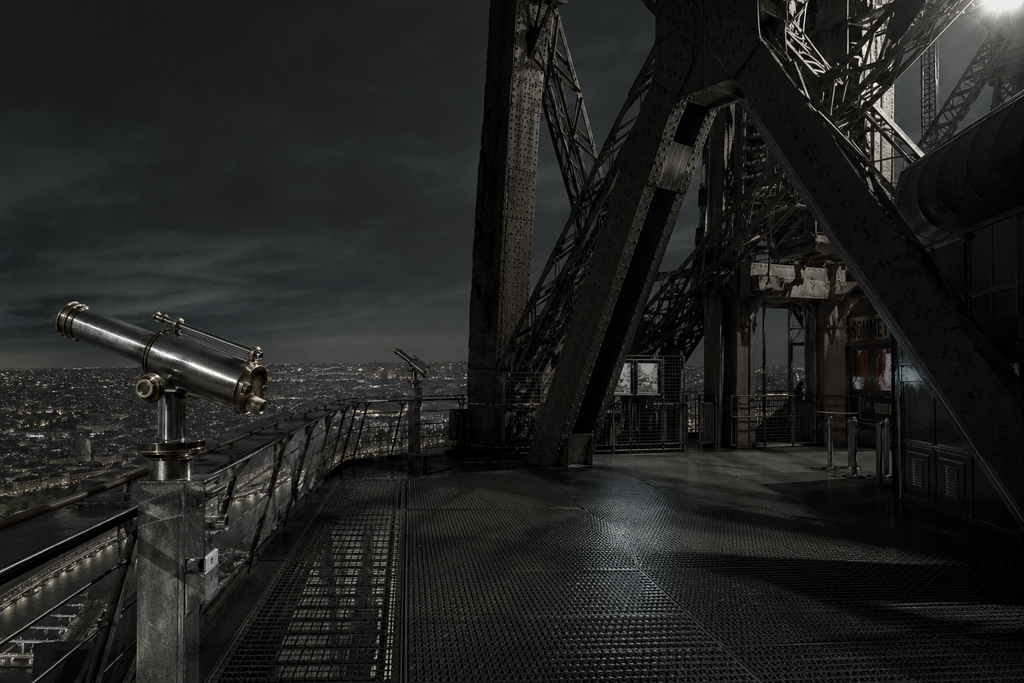 ei5 |
| (e)n |
 (e)n1 |
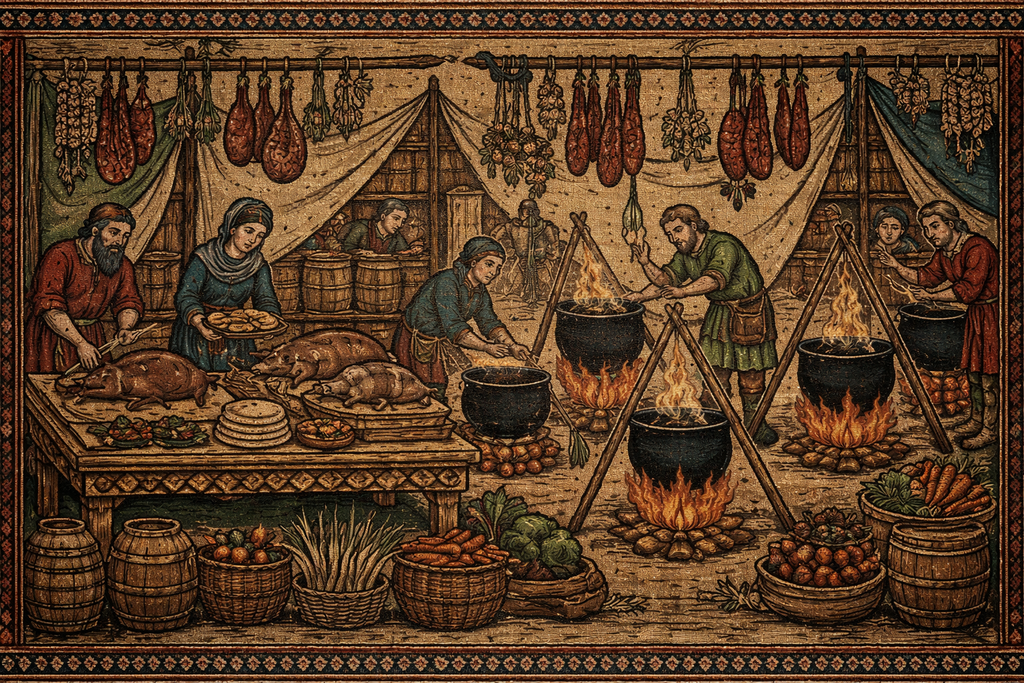 (e)n2 |
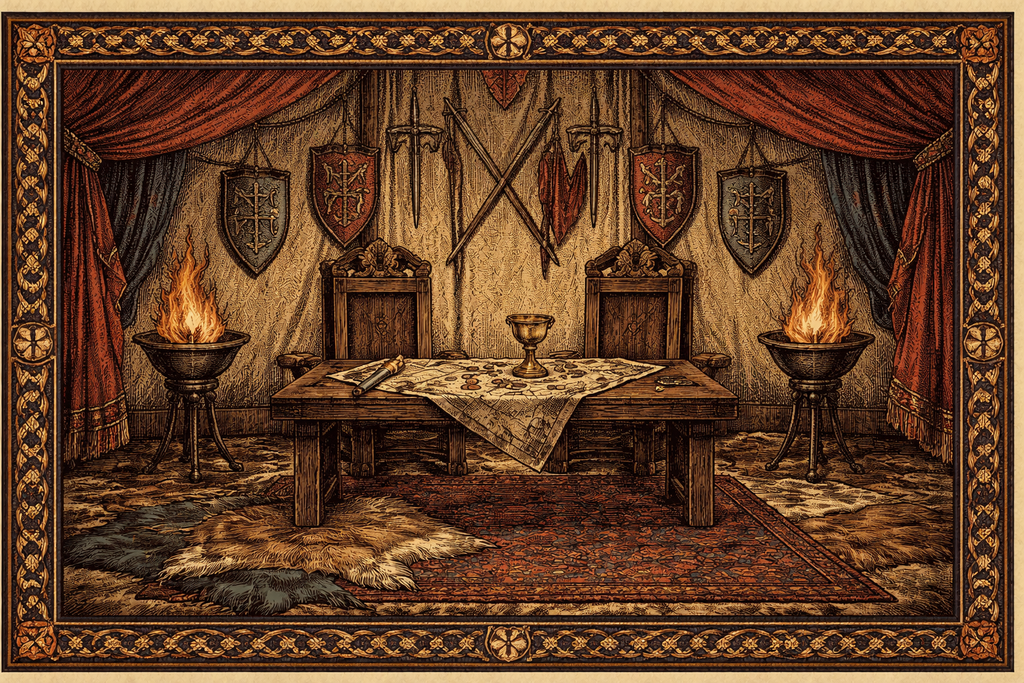 (e)n3 |
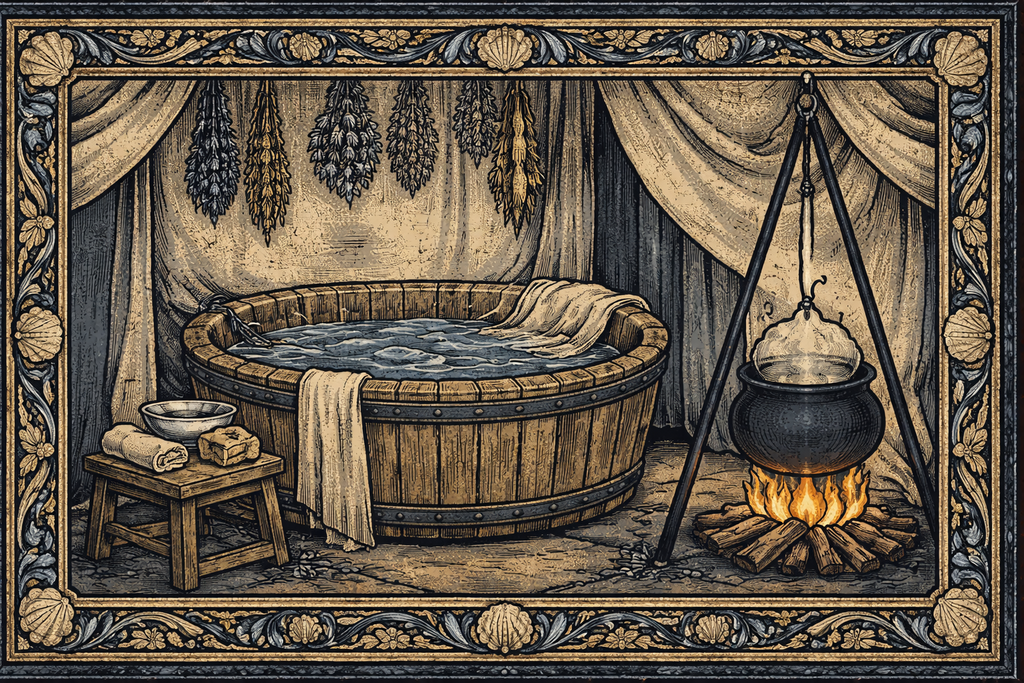 (e)n4 |
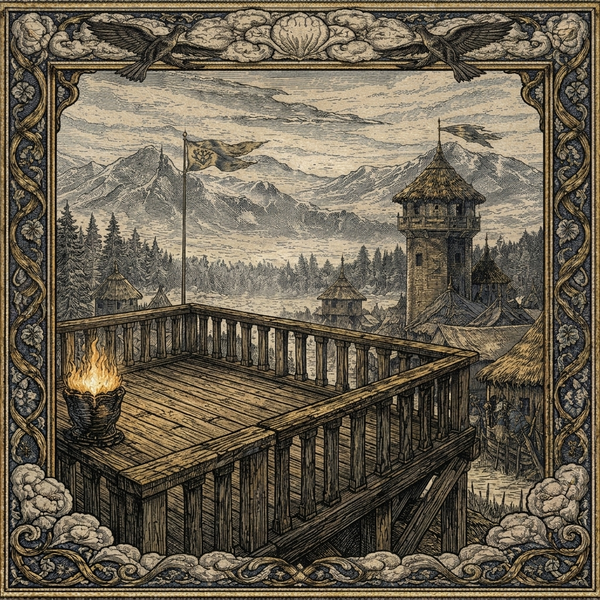 (e)n5 |
| (e)ng |
 (e)ng1 |
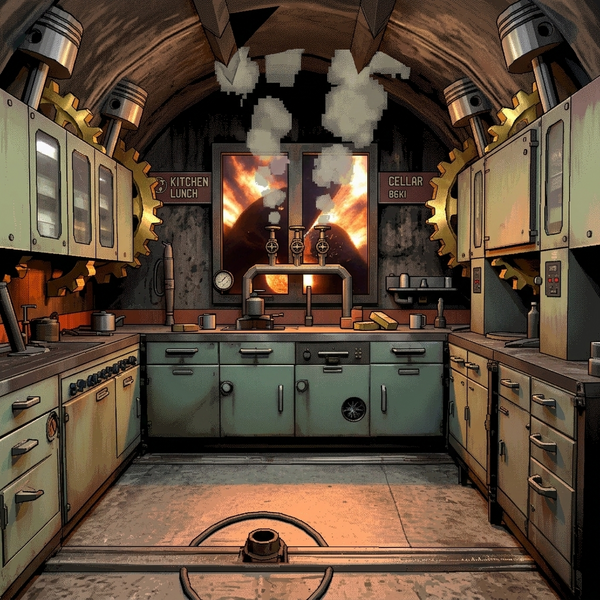 (e)ng2 |
 (e)ng3 |
 (e)ng4 |
— |
| o |
 o1 |
 o2 |
 o3 |
 o4 |
 o5 |
| ou |
 ou1 |
 ou2 |
 ou3 |
 ou4 |
 ou5 |
| Ø (no ending) |
 Ø1 |
 Ø2 |
 Ø3 |
 Ø4 |
 Ø5 |
Syllable table: every syllable with its two sound keys.