Mnemonic comic for 亻
Mnemonic
A mnemonic is a short, deliberately ridiculous scene, built to be hard to forget. Who appears in it and where it takes place are how the pronunciation is stored; the objects in it stand for the parts the character is written with. That is the Marilyn Method, and the comic below is the same scene, drawn.
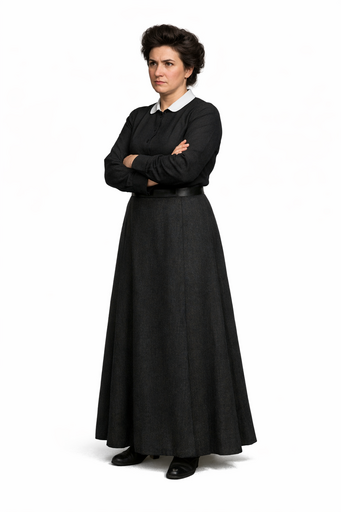
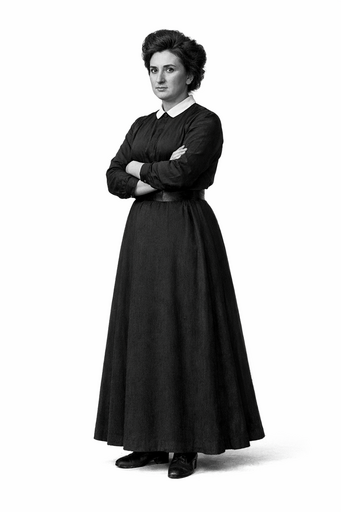
Mnemonic symbol: Rosa Luxemburg. She’s quite radical, and her name starts with “r”, just like “ren2”. Also, 亻appears at the left-hand side of characters, and Rosa is a leftist as well.
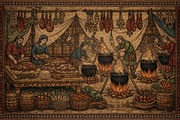
Robinson Crusoe (r) and Rosa Luxemburg (亻) are having their favorite snacks in the encampment’s kitchen: Rosa is eating a banana (丿) and Robinson is eating a dinosaur bone (丨).


Comments
How to pronounce 亻
MandarinBanana teaches pronunciation with the Marilyn Method: every Pinyin syllable is one initial plus one final, the initial becomes a person, an animal or a deity, and the final becomes a place in your memory palace — with the tone deciding which part of that place the scene happens in. Remember the little story below for each half and the whole syllable comes back with them.



亻 character breakdown
Chinese characters are built out of smaller characters. Each component carries a mnemonic symbol - one concrete object that stands in for it - and a mnemonic story hands those objects to the person and the place that stand for the pronunciation. Learn a component once and every character that reuses it gets easier.
Component Translations
Characters with 亻 as component
Words with 亻
Want to remember 亻 for good?
Make it your learning target and MandarinBanana works out the shortest route to it: the two sounds its syllable is built from, then the components of the character itself, one short step at a time. No account needed to start.
"person" radical in Chinese characters (Kangxi radical 9)
Prompt snippets
Rosa Luxemburg is a woman with a strong profile and penetrating, observant dark eyes. She has dark, thick hair, styled in a practical yet somewhat soft pompadour. Her face is expressive and intense, with a serious or thoughtful expression. She wears dark, utilitarian attire common for early 20th-century intellectuals: a dark, high-necked blouse with a simple white collar, tucked into a high-waisted, floor-length dark wool skirt (A-line silhouette). Her posture conveys determination and intellect.
AI Images