Mnemonic comic for 丶
Translation
Mnemonic
A mnemonic is a short, deliberately ridiculous scene, built to be hard to forget. Who appears in it and where it takes place are how the pronunciation is stored; the objects in it stand for the parts the character is written with. That is the Marilyn Method, and the comic below is the same scene, drawn.
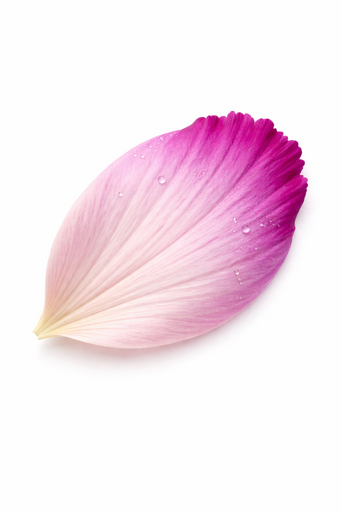
This character shall be represented by a petal (丶) when appearing in other characters.
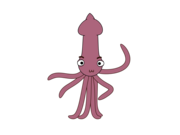
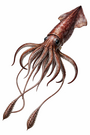
Julian Giant Squid (zhu) is napping in the space station’s living room (Ø3) and hugging a petal (丶).

Comments
Welcome to ManarinBanana!
The character 丶 is used as component in many other characters. Let us use a petal in the mnemonic stories of those characters to help us remember that we need to use 丶 when writing them.
Although 丶 is not used as individual character, it helps to learn its pronunciation "zhu3" in case you want to type it. "zhu" is represented by Julian Giant Squid. Pinyin initials with "u" are represented by animals, and "zhu" sounds a bit like "g" in "giant squid". Julian is written as 朱利安 in Chinese which is pronounced zhu1 li4 an1.
We don't need an additional suffix, so the scene takes place in the space station. The best way to understand how this works is probably to go on reading more comics.
Matthias, about 3 years ago
Shout out to Ralph from Pixabay for uploading his photo of a petal, which I vectorized to use in this comic. Thanks Ralph!
Matthias, almost 3 years ago
How to pronounce 丶
MandarinBanana teaches pronunciation with the Marilyn Method: every Pinyin syllable is one initial plus one final, the initial becomes a person, an animal or a deity, and the final becomes a place in your memory palace — with the tone deciding which part of that place the scene happens in. Remember the little story below for each half and the whole syllable comes back with them.


丶 character breakdown
Chinese characters are built out of smaller characters. Each component carries a mnemonic symbol - one concrete object that stands in for it - and a mnemonic story hands those objects to the person and the place that stand for the pronunciation. Learn a component once and every character that reuses it gets easier.
Characters with 丶 as component
Words with 丶
Want to remember 丶 for good?
Make it your learning target and MandarinBanana works out the shortest route to it: the two sounds its syllable is built from, then the components of the character itself, one short step at a time. No account needed to start.
"dot" radical in Chinese characters (Kangxi radical 3) / see also 點|点[dian3]
Prompt snippets
The solitary, delicate floral petal is soft and velvety with prominent, fine radial veins. The coloration features a soft blush-pink base that transitions smoothly into a saturated magenta-purple edge in an ombré gradient. The tip is finely notched or ruffled, and the edges slightly curl upward. Microscopic, shimmering dew drops catch the light. The petal surface shows subtle natural contours. The transition zone between colors is a diffuse, soft blend, not a harsh line.