Mnemonic comic for 勹
Mnemonic
A mnemonic is a short, deliberately ridiculous scene, built to be hard to forget. Who appears in it and where it takes place are how the pronunciation is stored; the objects in it stand for the parts the character is written with. That is the Marilyn Method, and the comic below is the same scene, drawn.
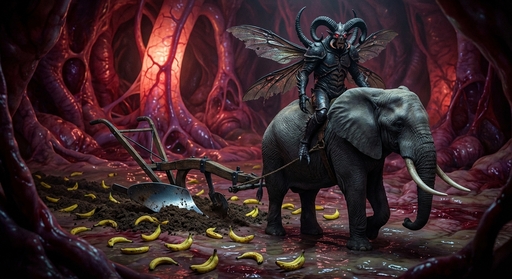
勹 looks like an elephant: 丿 looks like the edge of the ear and ㇆ looks like the head and trunk.
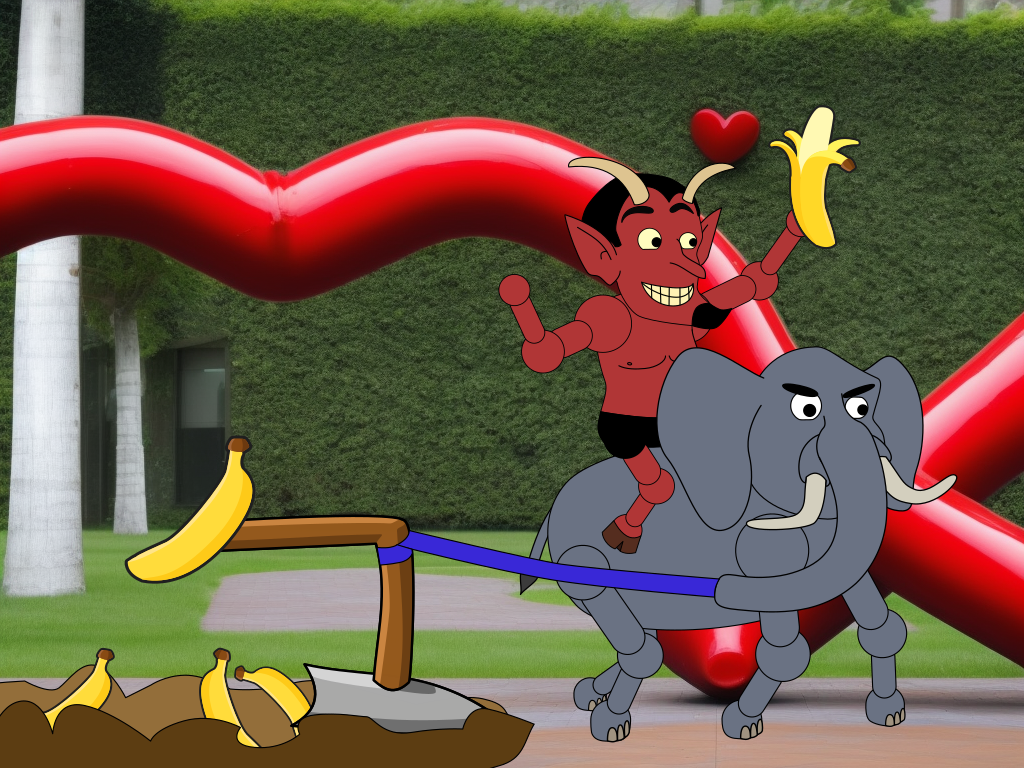
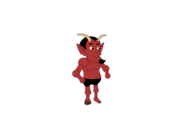
Beelzebub (b) rides an elephant in front of the aorta (ao1), turning the soil with a plow (㇆). Lots of bananas (丿) are revealed in the turned earth.
Comments
Here we see the plow in action together with the banana to form 勹, which reminds me of an elephant: 丿 looks like the ear, and 亅 looks like the trunk.
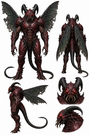
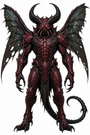
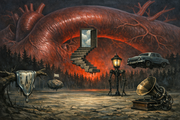
As for the pronunciation: "b" is represented by Beelzebub. Pinyin initials without "special" vowels (i, u, ü) are represented by men. The Pinyin final "ao" is represented by the aorta, the largest artery in the human body. You can see it behind Beelzebub riding on the elephant.
As a reminder, here's the key how to remember the tone of the Pinyin final:
1 -> in front of
2 -> in the kitchen
3 -> in the living room
4 -> in the bathroom
5 -> on the roof
Matthias, almost 3 years ago
How to pronounce 勹
MandarinBanana teaches pronunciation with the Marilyn Method: every Pinyin syllable is one initial plus one final, the initial becomes a person, an animal or a deity, and the final becomes a place in your memory palace — with the tone deciding which part of that place the scene happens in. Remember the little story below for each half and the whole syllable comes back with them.

勹 character breakdown
Chinese characters are built out of smaller characters. Each component carries a mnemonic symbol - one concrete object that stands in for it - and a mnemonic story hands those objects to the person and the place that stand for the pronunciation. Learn a component once and every character that reuses it gets easier.
Characters with 勹 as component
Words with 勹
Want to remember 勹 for good?
Make it your learning target and MandarinBanana works out the shortest route to it: the two sounds its syllable is built from, then the components of the character itself, one short step at a time. No account needed to start.
archaic variant of 包[bao1]
Prompt snippets
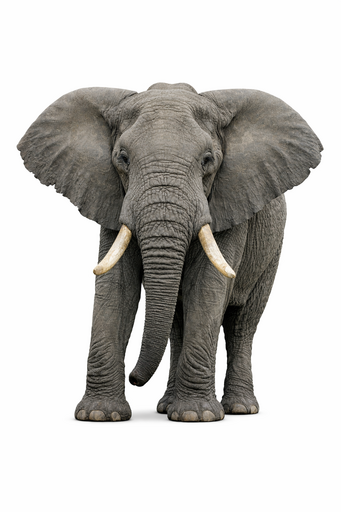
The elephant is a wrinkled, slate-grey African bush elephant. It has large, fan-shaped ears, a thick, muscular trunk, and two curved, ivory tusks.
AI Images