亻

亻
rén = r + (e)n2
"person" radical in Chinese characters (Kangxi radical 9)
Loading...
Loading mnemonics…

How to pronounce 亻

MandarinBanana teaches pronunciation with the Marilyn Method: every Pinyin syllable is one initial plus one final, the initial becomes a person, an animal or a deity, and the final becomes a place in your memory palace — with the tone deciding which part of that place the scene happens in. Remember the little story below for each half and the whole syllable comes back with them.


= r initial

R is for Robinson Crusoe.

By Matthias • updated 6 months ago
+ (e)n2 final

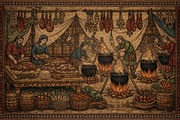
In the encampment’s kitchen.

By Matthias • updated 6 months ago

亻 character breakdown

Chinese characters are built out of smaller characters. Each component carries a mnemonic symbol - one concrete object that stands in for it - and a mnemonic story hands those objects to the person and the place that stand for the pronunciation. Learn a component once and every character that reuses it gets easier.

Component Translations
丿
piě = pi + e3
radical in Chinese characters (Kangxi radical 4) / see 撇[pie3]
Loading...
Loading mnemonics…
丨
gǔn = gu + (e)n3
radical in Chinese characters (Kangxi radical 2)
Loading...
Loading mnemonics…
丨
shù = shu + Ø4
vertical stroke (in Chinese characters), referred to as 豎筆|竖笔[shu4 bi3]
Loading...
Loading mnemonics…

Characters with 亻 as component

在 体 住 什 休 但 借 件 份 保 何 值 付 伤 伙 俗 估 伸 倡 伯 仁 仲 侍 伏 仆 倚 侣 佣 价 僧 俱 侦 促 彳 佐 佑 使 便 仪 仗 信 俯 仇 他 侈 仿 停 傍 作 仙 伍 仔 存 伴 侠 伪 位 例 侧 倒 似 俩 仅 侵 化 倾 夜 傻 做 伺 你 像 传 代 俄 伐 储 偿 俏 倘 优 们 倔 僻 侯 候 债 假 依 亿 仍 任 儒 倍 侮 供 佳 伦 仰 侃 低 健 偏 俭 倦 偷 攸 伊 侨 佛 伟 俊 偶 佰 傅 俘 傲 佩 僵 催 個 傳 們 倫 備 優 傑 係 價 傷 併 偉 佈 僅 儀 側 億 佔 俠 偵 伽 儲 傾 仕 儘 儡 傀 僑 倪 偽 僕 侶 債 倩 償 伝 侏 侄 佬 倭 僱 傭 倖 伶 侗 僖 偕 俺 俾 佟 俐 傣 佚 俸 儂 偃 仮 儉 伎 倆 俳 侬 佗 傢 俑 侑 佃 僭 佼 俟 儷 儼 倬 俣 儁 儸 俚 佤 傈 僳 佯 偈 儋 仡 俨 伉 侷 俶 佶 倶 偲 佢 価 俁 値 倻 働 僮 倣 俪 仟 佺 仏 佇 俵 儕 仞 仵 伕 僥 仃 倜 傚 儆 仫 俅 倓 倮 伋 佻 倌 偁 僞 侥 儔 仂 仉 佉 侔 偌 偎 傌 俦 傩 仨 伢 伫 侁 倞 倢 倨 偓 偪 傒 伧 侪 儺 傥 儻 佝 佷 侉 侘 俍 俛 倀 倂 偰 偻 僂 僎 僜 儇 仈 仳 伀 伄 伇 伈 伜 伩 伭 伱 伲 伹 伻 伾 佀 佌 佡 佧 佪 佫 佴 佸 佹 佽 侀 侅 侇 侐 侚 侜 侢 侹 侽 俉 俓 伣 俔 俜 俤 俲 俴 俷 俻 伥 倃 倅 倥 倵 倷 倸 倽 偘 偝 偟 偡 偢 偨 偩 偫 偭 偯 偱 偸 偺 傎 傓 傔 傖 傜 傞 傮 偬 傯 伛 傴 傺 傿 僄 僇 僔 僝 僣 僤 僦 偾 僨 僩 僬 僯 僴 僾 僿 儃 儅 侩 儈 儊 儌 儍 傤 儎 傧 儐 儓 儗 儜 儞 儤 儦 儩 儭 儱 儳 儹 儽
在
zài = z + ai4
to exist; to be alive / (of sb or sth) to be (located) at / (used before a verb to indicate an action in progress)
Loading...
Loading mnemonics…
tǐ = ti + Ø3
body / form / style / system / substance / to experience / aspect (linguistics)
Loading...
Loading mnemonics…
住
zhù = zhu + Ø4
to live / to dwell / to stay / to reside / to stop / (suffix indicating firmness, steadiness, or coming to a halt)
Loading...
Loading mnemonics…
Loading...

Words with 亻

亻 is not used as a component in another word.

Sentences with 亻

亻 currently does not appear in any sentence.

Want to remember 亻 for good?

Make it your learning target and MandarinBanana works out the shortest route to it: the two sounds its syllable is built from, then the components of the character itself, one short step at a time. No account needed to start.

亻
rén

"person" radical in Chinese characters (Kangxi radical 9)

Comments
There aren't any comments yet.

Prompt snippets

Rosa Luxemburg is a woman with a strong profile and penetrating, observant dark eyes. She has dark, thick hair, styled in a practical yet somewhat soft pompadour. Her face is expressive and intense, with a serious or thoughtful expression. She wears dark, utilitarian attire common for early 20th-century intellectuals: a dark, high-necked blouse with a simple white collar, tucked into a high-waisted, floor-length dark wool skirt (A-line silhouette). Her posture conveys determination and intellect.