扌

扌
shǒu = sh + ou3
"hand" radical in Chinese characters (Kangxi radical 64), occurring in 提, 把, 打 etc
Loading...
Loading mnemonics…

How to pronounce 扌

MandarinBanana teaches pronunciation with the Marilyn Method: every Pinyin syllable is one initial plus one final, the initial becomes a person, an animal or a deity, and the final becomes a place in your memory palace — with the tone deciding which part of that place the scene happens in. Remember the little story below for each half and the whole syllable comes back with them.
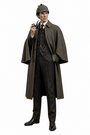

= sh initial

Sh is for Sherlock Holmes.

By Matthias • updated 4 months ago
+ ou3 final

In the outhouse’s living room.

By Matthias • updated 4 months ago

扌 character breakdown

Chinese characters are built out of smaller characters. Each component carries a mnemonic symbol - one concrete object that stands in for it - and a mnemonic story hands those objects to the person and the place that stand for the pronunciation. Learn a component once and every character that reuses it gets easier.

Component Translations
二
èr = Ø + Ø4
two / 2 / (Beijing dialect) stupid
Loading...
Loading mnemonics…
亅
jué = ju + e2
"vertical stroke with hook" radical in Chinese characters (Kangxi radical 6) / see also 豎鉤|竖钩[shu4 gou1]
Loading...
Loading mnemonics…

Characters with 扌 as component

打 执 找 拉 提 接 报 排 推 护 换 掉 挺 把 抓 挂 指 据 播 持 技 批 拍 按 握 搬 抱 括 授 击 描 担 招 挑 折 挥 抽 抄 摆 扫 摸 投 操 扩 扬 择 措 擦 摇 搞 扔 托 拼 扮 扰 挡 挤 控 拔 拜 搜 振 摘 插 摄 拥 撞 拒 拆 扶 损 押 披 摔 拾 抢 抬 挣 抗 探 援 撤 扎 捕 抵 搭 揭 捐 拖 扣 扭 挖 捉 扑 拐 拨 撑 挨 掏 捡 捷 撒 拓 撰 拟 挪 擅 抚 抑 掘 拱 拘 掠 掩 拯 摧 携 抹 挽 搏 扳 抛 扯 掀 挫 捧 抒 捍 撕 撼 抨 拙 撇 拦 拌 捏 捆 捞 扒 摊 揽 抖 挠 攘 搁 揉 捣 搅 拴 挟 掺 扛 揍 拢 揣 揪 攒 搓 拽 捶 掐 撬 捅 拣 拎 捎 抡 拧 拄 捂 搂 抠 搀 挎 據 擔 換 攝 採 擁 擴 揮 擬 揚 擇 掛 損 搖 撫 擾 搶 掃 捲 擺 攜 擋 撥 撲 摺 捨 擒 撐 擲 擢 擠 挝 撮 攔 攤 揆 拂 拷 擂 掖 擱 挾 撈 擄 擷 攬 撿 抜 捜 掷 拇 捻 撾 攪 扼 抉 搗 攏 掙 撓 拚 撻 拗 拮 揖 揀 掸 挹 掾 摻 捌 摒 拭 捩 揄 摭 掳 拈 揶 揸 撂 撣 扱 択 拝 拠 拡 掟 揹 搐 搪 挞 攫 扦 捱 捺 揺 摑 撳 捫 掄 掇 掞 搔 抟 摶 拑 拊 扪 掂 掬 搆 搢 搾 掴 撚 撝 擰 撷 攢 払 扞 抃 掮 揃 揵 搥 摂 摛 摟 摳 擀 摈 攄 攆 攙 抿 挵 捽 揩 搠 搦 搧 搽 摠 撅 擯 撸 撵 撄 扐 扗 扠 扡 扢 扤 扻 扽 抆 抈 抌 抏 抔 抝 抦 抴 抶 抻 拃 拕 拤 拪 拫 挌 挍 挓 挔 挱 挶 挼 捃 捄 捓 捗 捘 捙 捥 捭 捯 捼 掊 掍 掎 挜 掗 掤 掫 掯 掽 揌 揎 揑 揓 揕 揗 揘 揜 揝 揞 揠 揥 揦 揰 揲 揳 揻 揿 搇 搊 搋 搌 搎 搕 搘 搛 搡 搣 搤 搨 搯 搰 搲 搳 揾 搷 搿 摀 摁 摃 摎 摏 摓 摙 掼 摜 摞 摦 摲 摴 摷 摽 摿 撊 撋 挦 撏 撖 撙 挢 撟 撡 撢 撦 撧 撱 撽 擉 擐 擓 擕 擖 擗 擡 擣 擤 擩 擫 擭 擸 擞 擻 擼 擽 擿 攂 攃 摅 攈 攉 攋 攐 攓 攖 撺 攛 攟 攥 攧 攩 攮 搒
打
dǎ = d + a3
to beat / to strike / to hit / to break / to type / to mix up / to build / to fight / to fetch / to make / to tie up / to issue / to shoot / to calculate / to play (a game) / since / from
Loading...
Loading mnemonics…
打
dá = d + a2
dozen (loanword)
Loading...
Loading mnemonics…
zhí = zh + Ø2
to execute (a plan) / to grasp
Loading...
Loading mnemonics…
Loading...

Words with 扌

扌 is not used as a component in another word.

Sentences with 扌

扌 currently does not appear in any sentence.

Want to remember 扌 for good?

Make it your learning target and MandarinBanana works out the shortest route to it: the two sounds its syllable is built from, then the components of the character itself, one short step at a time. No account needed to start.

扌
shǒu

"hand" radical in Chinese characters (Kangxi radical 64), occurring in 提, 把, 打 etc

Comments
There aren't any comments yet.

Prompt snippets

The toy claw is a handheld plastic grabber with a long, bright yellow tubular shaft, a red pistol-grip trigger handle at one end, and three curved, rubber-tipped red gripping fingers at the other. Its glossy molded plastic shows faint seams and light scuffs from play.