pǒu = p + ou3
pooh / pah / bah / (today used as a phonetic component in 部[bu4], 倍[bei4], 培[pei2], 剖[pou1] etc)
Loading...
Loading mnemonics…

How to pronounce 咅

MandarinBanana teaches pronunciation with the Marilyn Method: every Pinyin syllable is one initial plus one final, the initial becomes a person, an animal or a deity, and the final becomes a place in your memory palace — with the tone deciding which part of that place the scene happens in. Remember the little story below for each half and the whole syllable comes back with them.
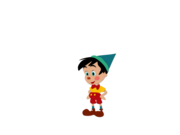
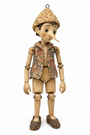
= p initial

P is for Pinocchio.

By Matthias • updated 4 months ago
+ ou3 final

In the outhouse’s living room.

By Matthias • updated about 2 months ago

咅 character breakdown

Chinese characters are built out of smaller characters. Each component carries a mnemonic symbol - one concrete object that stands in for it - and a mnemonic story hands those objects to the person and the place that stand for the pronunciation. Learn a component once and every character that reuses it gets easier.

Component Translations
kǒu = k + ou3
mouth / classifier for things with mouths (people, domestic animals, cannons, wells etc) / classifier for bites or mouthfuls
Loading...
Loading mnemonics…
= li + Ø4
to stand / to set up / to establish / to lay down / to draw up / at once / immediately
Loading...
Loading mnemonics…

Characters with 咅 as component

= bu + Ø4
ministry / department / section / part / division / troops / board / classifier for works of literature, films, machines etc
Loading...
Loading mnemonics…
bèi = b + ei4
(two, three etc) -fold / times (multiplier) / double / to increase or multiply
Loading...
Loading mnemonics…
péi = p + ei2
to bank up with earth / to cultivate (lit. or fig.) / to train (people)
Loading...
Loading mnemonics…
Loading...

Words with 咅

咅 is not used as a component in another word.

Sentences with 咅

咅 currently does not appear in any sentence.

Want to remember 咅 for good?

Make it your learning target and MandarinBanana works out the shortest route to it: the two sounds its syllable is built from, then the components of the character itself, one short step at a time. No account needed to start.

pǒu

pooh / pah / bah / (today used as a phonetic component in 部[bu4], 倍[bei4], 培[pei2], 剖[pou1] etc)

Comments
There aren't any comments yet.

Prompt snippets

No snippets yet.