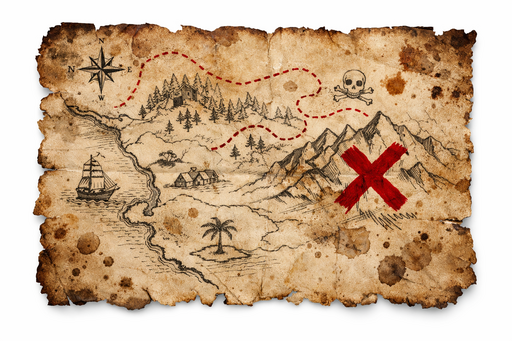
Mnemonic comic for 冂
Translation
Mnemonic
A mnemonic is a short, deliberately ridiculous scene, built to be hard to forget. Who appears in it and where it takes place are how the pronunciation is stored; the objects in it stand for the parts the character is written with. That is the Marilyn Method, and the comic below is the same scene, drawn.
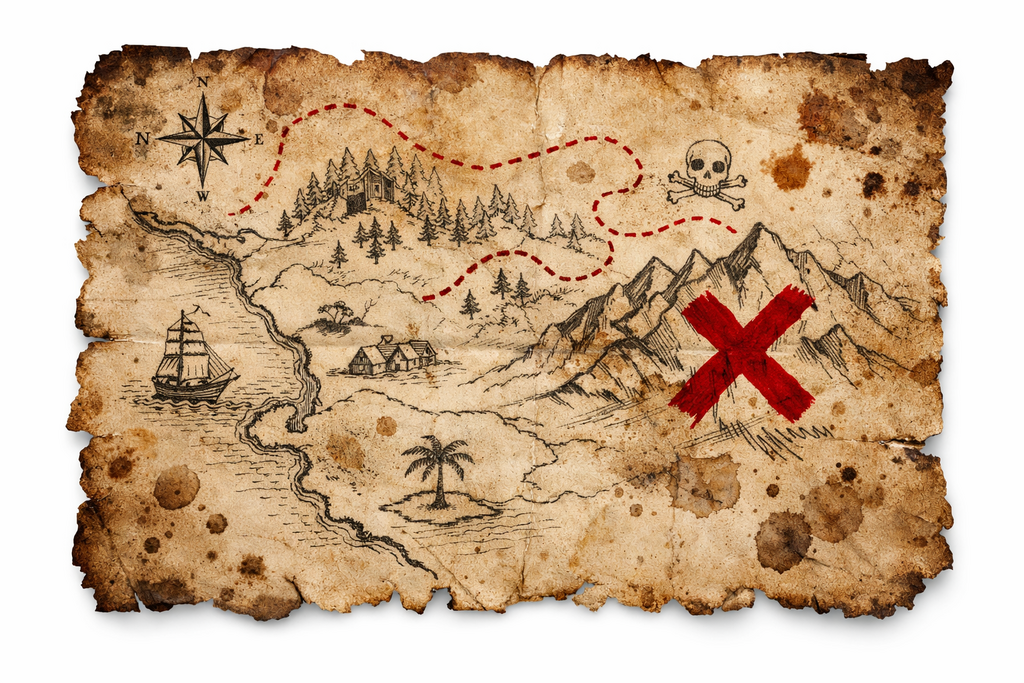
Mnemonic symbol from the shape of the character: kind of looks like a map.
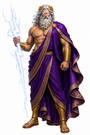
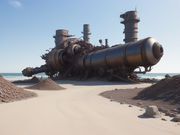
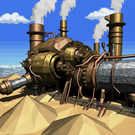
Zeus (ju) found a secret map (冂) that tells the location of a golden dinosaur bone (丨) in front of the engine ((e)ng1), so he took a plow (㇆) and dug up everything. He actually found a couple of dinosaur bones, but not a golden one.
Comments
How to pronounce 冂
MandarinBanana teaches pronunciation with the Marilyn Method: every Pinyin syllable is one initial plus one final, the initial becomes a person, an animal or a deity, and the final becomes a place in your memory palace — with the tone deciding which part of that place the scene happens in. Remember the little story below for each half and the whole syllable comes back with them.
冂 character breakdown
Chinese characters are built out of smaller characters. Each component carries a mnemonic symbol - one concrete object that stands in for it - and a mnemonic story hands those objects to the person and the place that stand for the pronunciation. Learn a component once and every character that reuses it gets easier.
Characters with 冂 as component
Words with 冂
Want to remember 冂 for good?
Make it your learning target and MandarinBanana works out the shortest route to it: the two sounds its syllable is built from, then the components of the character itself, one short step at a time. No account needed to start.
radical in Chinese characters (Kangxi radical 13), occurring in 用[yong4], 同[tong2], 網|网[wang3] etc, referred to as 同字框[tong2 zi4 kuang4]
Prompt snippets
The treasure map is a tattered, rectangular sheet of heavy cream-colored parchment with irregular, singed, and fraying edges, dark tea-colored water spots, and oily thumbprints. The map features a hand-drawn coastline in faded black iron gall ink, with a prominent large "X" marked in thick, dried crimson ink near a jagged mountain range. Faint, dotted red trails snake across the topography.
AI Images