Mnemonic comic for 屮
Mnemonic
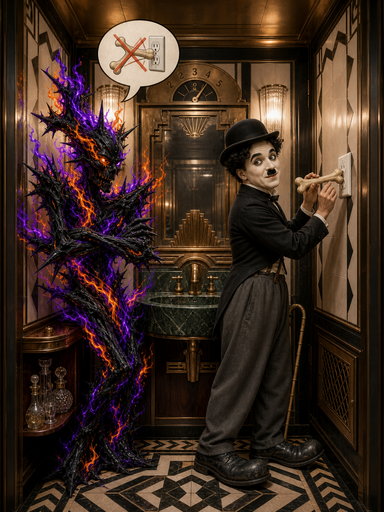
A mnemonic is a short, deliberately ridiculous scene, built to be hard to forget. Who appears in it and where it takes place are how the pronunciation is stored; the objects in it stand for the parts the character is written with. That is the Marilyn Method, and the comic below is the same scene, drawn.
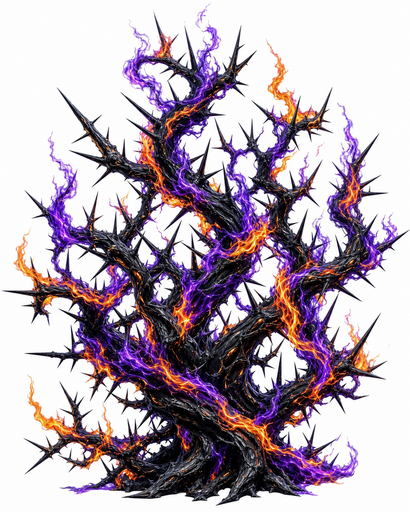
Mnemonic symbol: I don’t know but somehow I have to think of a thornbush when looking at this character. Maybe because it looks so spiky. To make things interesting let’s say this represents a burning thornbush talking to people.
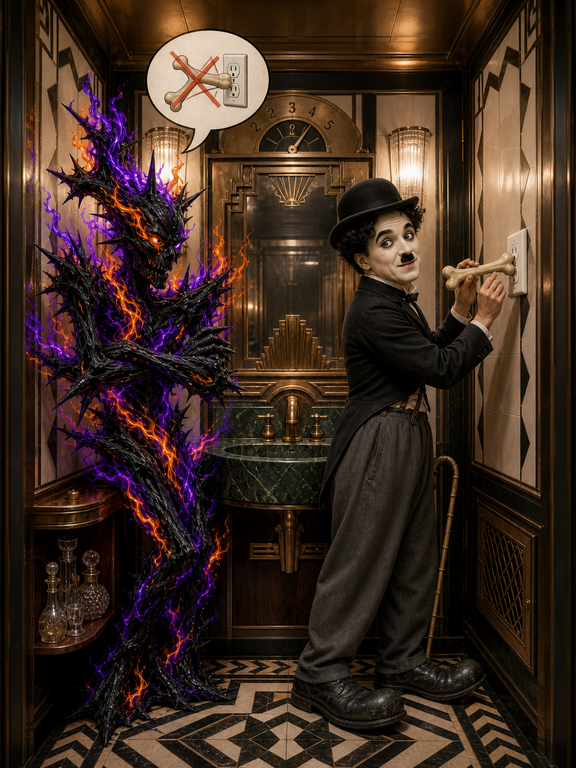
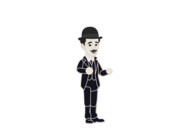
The burning thornbush (屮) tells Charlie Chaplin (ch) not to stick dinosaur bones (丨) into receptacles (凵) in the elevator’s bathroom (e4) but Charlie won’t listen.
Comments
How to pronounce 屮
MandarinBanana teaches pronunciation with the Marilyn Method: every Pinyin syllable is one initial plus one final, the initial becomes a person, an animal or a deity, and the final becomes a place in your memory palace — with the tone deciding which part of that place the scene happens in. Remember the little story below for each half and the whole syllable comes back with them.



屮 character breakdown
Chinese characters are built out of smaller characters. Each component carries a mnemonic symbol - one concrete object that stands in for it - and a mnemonic story hands those objects to the person and the place that stand for the pronunciation. Learn a component once and every character that reuses it gets easier.
Characters with 屮 as component
Words with 屮
Want to remember 屮 for good?
Make it your learning target and MandarinBanana works out the shortest route to it: the two sounds its syllable is built from, then the components of the character itself, one short step at a time. No account needed to start.
plants sprouting
Prompt snippets
The thornbush is a twisted, skeletal thornbush composed of gnarled, obsidian-black branches densely packed with long, needle-like spines. Roaring, supernatural orange and violet flames wrap tightly around the wood without consuming it, casting a harsh, flickering glow on the surroundings.
AI Images