Mnemonic comic for 古
Mnemonic
A mnemonic is a short, deliberately ridiculous scene, built to be hard to forget. Who appears in it and where it takes place are how the pronunciation is stored; the objects in it stand for the parts the character is written with. That is the Marilyn Method, and the comic below is the same scene, drawn.
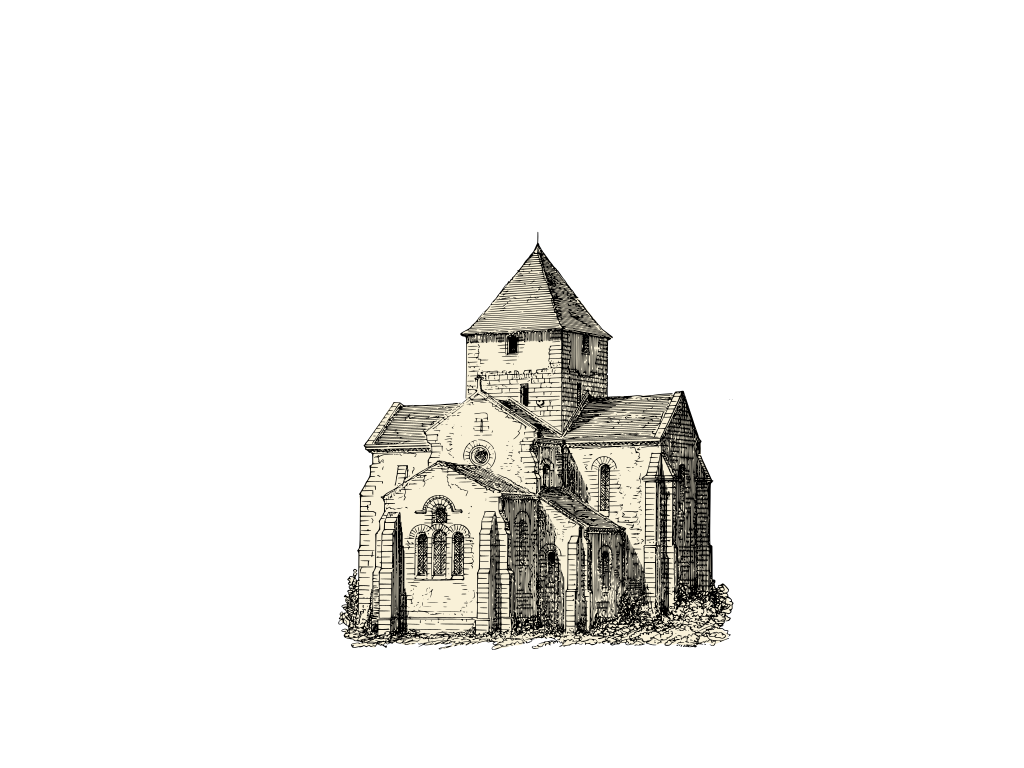
Mnemonic symbol: at least on German maps, this character actually resembles a cloister.
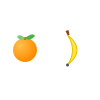
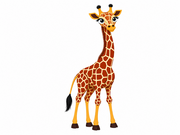
Oh no! Gitta Giraffe (gu) found that the golden cross (十) broke off of the cloister (古) in the space station’s living room (Ø3)! She skewers a mandarin (口) on top of the cloister so that she can skewer the broken off cross back on to fix it.
All translations for 古
Comments
Shoutout to Firkin for uploading this church to https://openclipart.org/detail/232729/church-3. They write: "From a drawing in 'Description des villes et campagnes du département de l'Yonne', Victor Petit, 1870."
Matthias, over 2 years ago
How to pronounce 古
MandarinBanana teaches pronunciation with the Marilyn Method: every Pinyin syllable is one initial plus one final, the initial becomes a person, an animal or a deity, and the final becomes a place in your memory palace — with the tone deciding which part of that place the scene happens in. Remember the little story below for each half and the whole syllable comes back with them.



古 character breakdown
Chinese characters are built out of smaller characters. Each component carries a mnemonic symbol - one concrete object that stands in for it - and a mnemonic story hands those objects to the person and the place that stand for the pronunciation. Learn a component once and every character that reuses it gets easier.
Characters with 古 as component
Words with 古
Want to remember 古 for good?
Make it your learning target and MandarinBanana works out the shortest route to it: the two sounds its syllable is built from, then the components of the character itself, one short step at a time. No account needed to start.
2 translations
Prompt snippets
AI Images
No AI images generated yet.