tuì = tu + ei4
to take off (clothes) / to shed feathers / (of color) to fade / to discolor
Loading...
Loading mnemonics…
tùn = tu + (e)n4
to slip out of sth / to hide sth in one's sleeve
Loading...
Loading mnemonics…

How to pronounce 褪

MandarinBanana teaches pronunciation with the Marilyn Method: every Pinyin syllable is one initial plus one final, the initial becomes a person, an animal or a deity, and the final becomes a place in your memory palace — with the tone deciding which part of that place the scene happens in. Remember the little story below for each half and the whole syllable comes back with them.
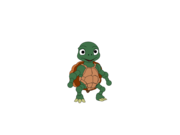

= tu initial

Tu is for Tommy Turtle.

By Matthias • updated 3 months ago
+ ei4 final

In the Eiffel Tower’s bathroom.

By Matthias • updated 4 months ago
= tu initial

Tu is for Tommy Turtle.

By Matthias • updated 3 months ago
+ (e)n4 final

In the encampment’s bathroom.

By Matthias • updated 5 months ago

褪 character breakdown

Chinese characters are built out of smaller characters. Each component carries a mnemonic symbol - one concrete object that stands in for it - and a mnemonic story hands those objects to the person and the place that stand for the pronunciation. Learn a component once and every character that reuses it gets easier.

Component Translations
= y + Ø1
the left-radical form of Kangxi radical 145, 衣[yi1]
Loading...
Loading mnemonics…
退
tuì = tu + ei4
to retreat / to decline / to move back / to withdraw
Loading...
Loading mnemonics…
退
tuì = tu + ei4
to retreat; to withdraw / to reject; to return (sth) / to decline
Loading...
Loading mnemonics…

Characters with 褪 as component

褪 is not used as a component in another character.
Loading...

Words with 褪

matte (of a color etc)
to take off (one's clothes) / (fig.) to shed (one's former image etc) / (of a fad or the after-effects of a disaster etc) to subside / also pr. [tun4 qu4]
(coll.) to break loose / to shake off responsibility

Sentences with 褪

褪 currently does not appear in any sentence.

Want to remember 褪 for good?

Make it your learning target and MandarinBanana works out the shortest route to it: the two sounds its syllable is built from, then the components of the character itself, one short step at a time. No account needed to start.

tuì / tùn

2 translations

Comments
There aren't any comments yet.

Prompt snippets

No snippets yet.