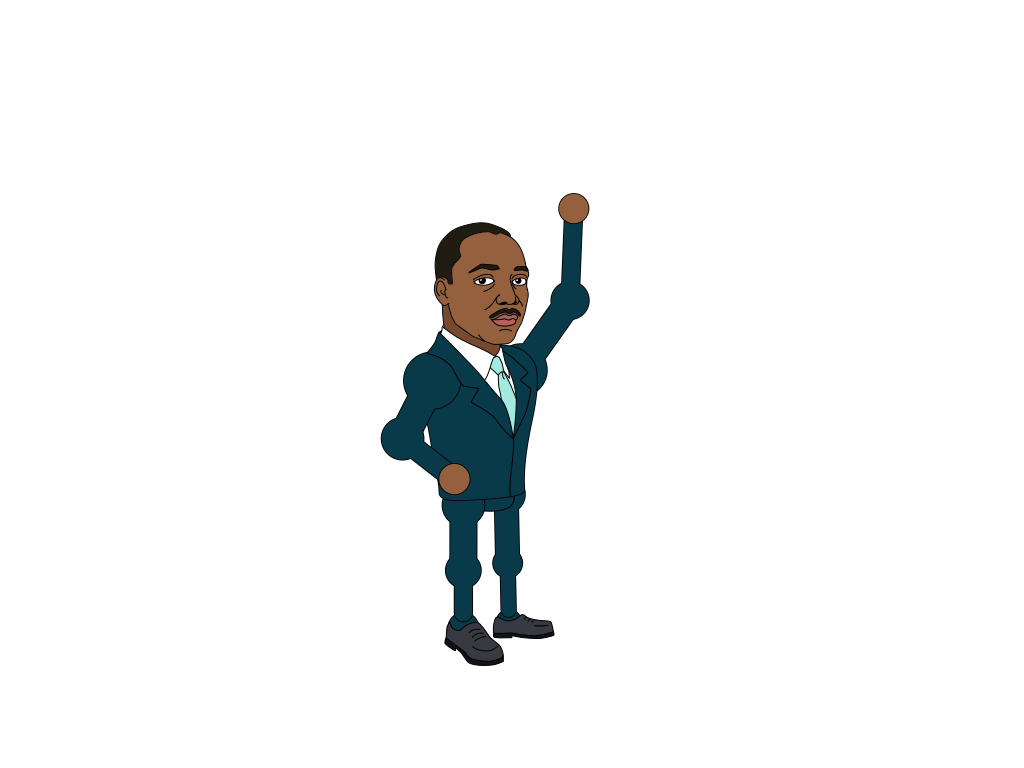
Mnemonic comic for 王
Mnemonic
A mnemonic is a short, deliberately ridiculous scene, built to be hard to forget. Who appears in it and where it takes place are how the pronunciation is stored; the objects in it stand for the parts the character is written with. That is the Marilyn Method, and the comic below is the same scene, drawn.
Mnemonic symbol: Martin Luther King. Willy Walrus (wu) is stuck in a heap of dirt (土) in the anglepod’s kitchen (ang2). Martin Luther King (王) helps him by holding out a flute (一).
All translations for 王
Comments
How to pronounce 王
MandarinBanana teaches pronunciation with the Marilyn Method: every Pinyin syllable is one initial plus one final, the initial becomes a person, an animal or a deity, and the final becomes a place in your memory palace — with the tone deciding which part of that place the scene happens in. Remember the little story below for each half and the whole syllable comes back with them.





王 character breakdown
Chinese characters are built out of smaller characters. Each component carries a mnemonic symbol - one concrete object that stands in for it - and a mnemonic story hands those objects to the person and the place that stand for the pronunciation. Learn a component once and every character that reuses it gets easier.
Component Translations
Characters with 王 as component
Words with 王
Want to remember 王 for good?
Make it your learning target and MandarinBanana works out the shortest route to it: the two sounds its syllable is built from, then the components of the character itself, one short step at a time. No account needed to start.
2 translations
Prompt snippets
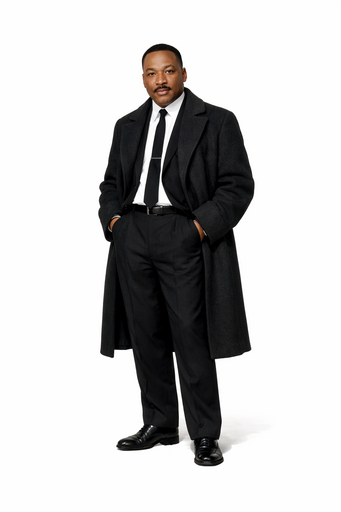
Martin Luther King is a dignified man with a neatly trimmed mustache and a short, precise afro fade, dressed in a crisp white dress shirt, a slim black necktie, and a heavy dark wool overcoat.